


Top 7 Valentine Upsell Mistakes That Kill AOV & How to Fix Them
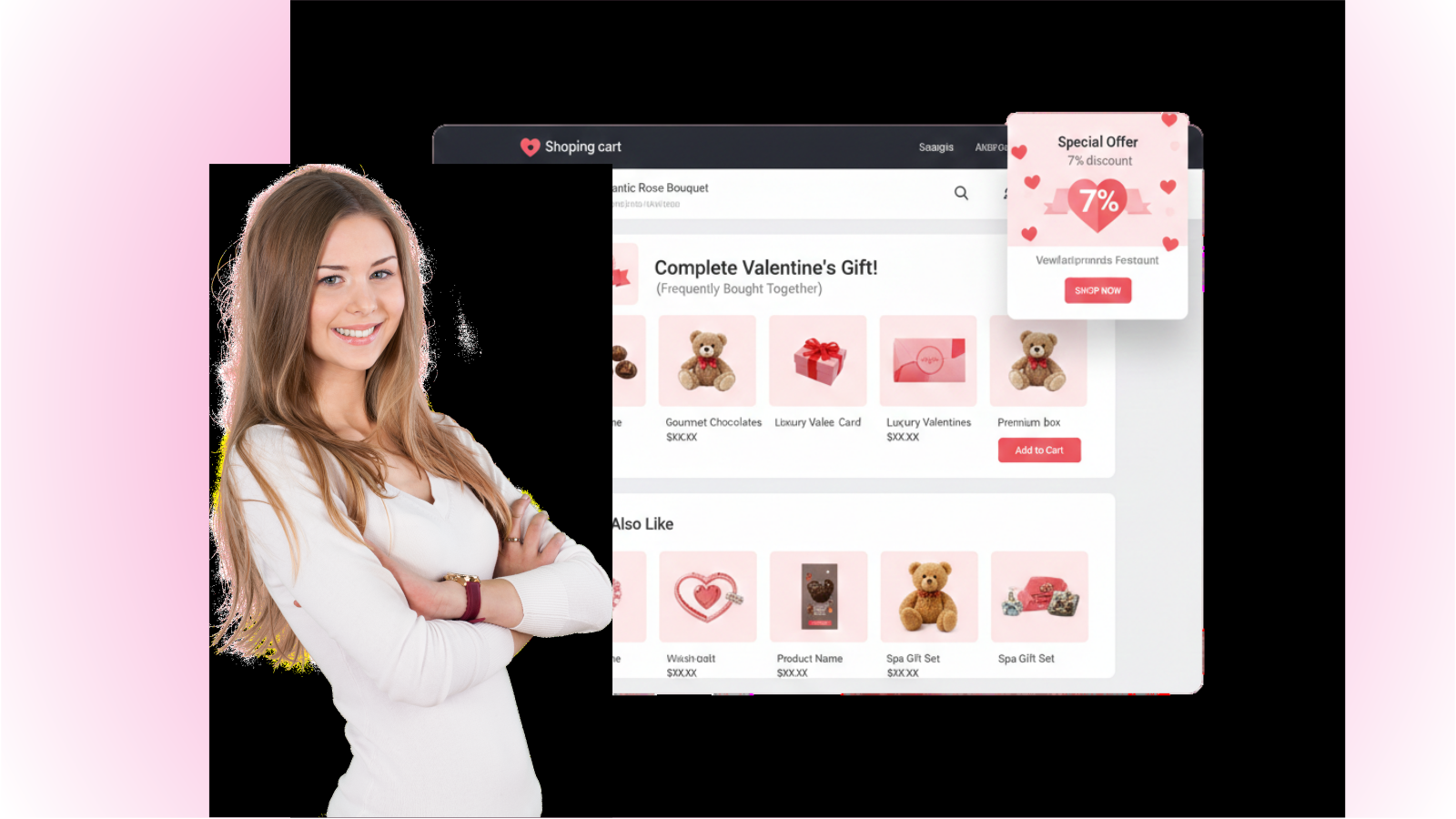
Table of content
Valentine’s Day is a peak season for e‑commerce, where customers not only buy gifts for their romantic partners but also for friends, family, and even themselves. In 2025, global consumers spent more than $25 billion USD on Valentine’s Day, with 40% of transactions taking place online. This presents an ideal opportunity for brands to increase Average Order Value (AOV) through smart upsell strategies.
However, many brands focus primarily on driving traffic and running ads, without optimizing their upsell strategies. This often leads to low conversion effectiveness, stagnating AOV, and wasted marketing budgets. Below are the 7 most common upsell mistakes during Valentine’s campaigns and practical ways you can fix each one effectively.
Mistake #1: Misidentifying Customer Segments

The Problem
One of the most common mistakes that reduces the effectiveness of Valentine’s upsell strategies is applying the same messaging and upsell offer to all customers without considering their different needs and purchasing intentions. Valentine’s Day is no longer just for couples; consumer behavior is much more diverse. Some people are buying gifts for a girlfriend, wife, or same‑sex partner. Others are purchasing for friends, coworkers, or parents. Many are even buying something for themselves as a form of self‑care. Failing to recognize and segment these distinct groups results in upsell suggestions that are vague, emotionally disconnected, and contextually irrelevant, making customers feel misunderstood.
The outcome is a clear decline in the motivation to purchase additional items because customers do not see added value in the suggested upsells. For example, if a male customer is buying perfume for his partner but the system suggests a skincare item “for yourself,” it creates a serious emotional disconnect. On the other hand, if segmentation is done correctly, the store can personalize recommendations into dual‑gift combos or include a heartfelt greeting card, fostering a deeper emotional connection and increasing the likelihood that the customer will buy more. Upsell only works when it appears at the right time, to the right person, with the right emotional appeal.
Data Points
- 10% to 30% of total revenue: The percentage of revenue that upsell and cross‑sell strategies can contribute to an e‑commerce store when personalized and contextually relevant.
- 80% of consumers: Report that they are more likely to purchase from brands that offer personalized shopping experiences.
- Up to a 50% drop in engagement: A common consequence when upsell suggestions do not match the customer’s purpose or shopping context.
Solutions
1. Segment customers based on behavior and purchase intent: Use purchase history, browsing behavior, and search keywords to identify whom the customer is shopping for. Common groups may include buyers purchasing for a romantic partner, for friends or colleagues, and buyers who are treating themselves. Clear segmentation helps brands design upsell suggestions that align with each group’s context and emotions.
2. Personalize upsell content for each segment: Build distinct recommendations for each group. For example: for customers buying for a partner, prioritize dual‑gift combos (such as matching perfumes, couple shirts, or paired gift sets); for self‑gifting customers, suggest self‑care products like scented candles, premium skincare, or inspirational books; for those buying for friends, recommend small, shareable tokens like Valentine’s cookies, mini gift boxes, or handwritten cards.
3. Run A/B testing on content and offer formats: Set up multiple upsell versions for each segment, including CTA text, product images, combo names, and display style. Then use A/B testing tools to measure conversion rates for each group and determine which approach works best. Based on these results, you can automate optimization for each customer segment, sustainably improving upsell performance.
Mistake #2: Showing Upsell Too Early or Too Late

The Problem
The timing of upsell presentation plays a key role in determining whether a customer is ready to spend more. However, many brands make the mistake of displaying upsell offers as soon as a customer lands on a product page, when they are still in the early research phase and have not formed a clear purchase intent. Interrupting their browsing with an upsell too early not only distracts the customer but can dilute the core product message they are considering. This may cause them to leave the page or ignore the upsell altogether because they feel pressured.
Conversely, some brands play it “safe” by showing upsell offers only after the customer has completed checkout. At that point, the customer’s purchase journey is already finished, their desire to buy is satisfied, and the likelihood of returning to buy more is nearly zero. This is a missed opportunity, especially during peak emotional shopping seasons like Valentine’s Day. An effective upsell should appear immediately after the customer adds products to their cart or in the pre‑checkout phase, when they have made an initial buying decision but are still open to additional valuable options.
Data Points
- 10% to 25% upsell acceptance rate: The average range of upsell acceptance in retail when offers are displayed at appropriate points in the shopping journey, such as after adding items to the cart or at checkout.
- 37.8% conversion rate: The conversion rate that can be achieved when an upsell is placed at the correct time, specifically, just before checkout, when customers are most ready to be persuaded by additional value (according to Barilliance, 2024).
- Over 60% skip rate: The proportion of customers who ignore upsell offers displayed too early, for example, at the top of the product page, when they are still exploring and not ready to buy.
Solutions
1. Display upsell at decisive touchpoints: Place upsell offers at strategic points in the shopping journey, especially on the cart page or just before checkout. These are moments when customers have a clear decision to buy and are more receptive to value‑added suggestions. Placing upsells at the right stage helps avoid interrupting the decision process and increases conversion chances.
2. Trigger upsell based on user behavior: Rather than showing upsells universally, activate the offer only when a customer has added at least one item to their cart. This ensures that the suggestion appears in the proper context and does not make customers feel forced to buy too early. Behavior tracking tools can help identify the ideal moment to show relevant upsell content without distraction.
3. Optimize upsell display by device type: Design and position upsell offers according to the user’s device experience. On mobile, use compact layouts, horizontal carousels, or small pop‑ups to avoid occupying too much screen space. On desktop, consider using sidebars or placing offers near the checkout button to display them clearly and attractively. Adjusting by device improves overall experience and visibility.
Mistake #3: Offering Upsells That Are Not Related to the Main Product
The Problem
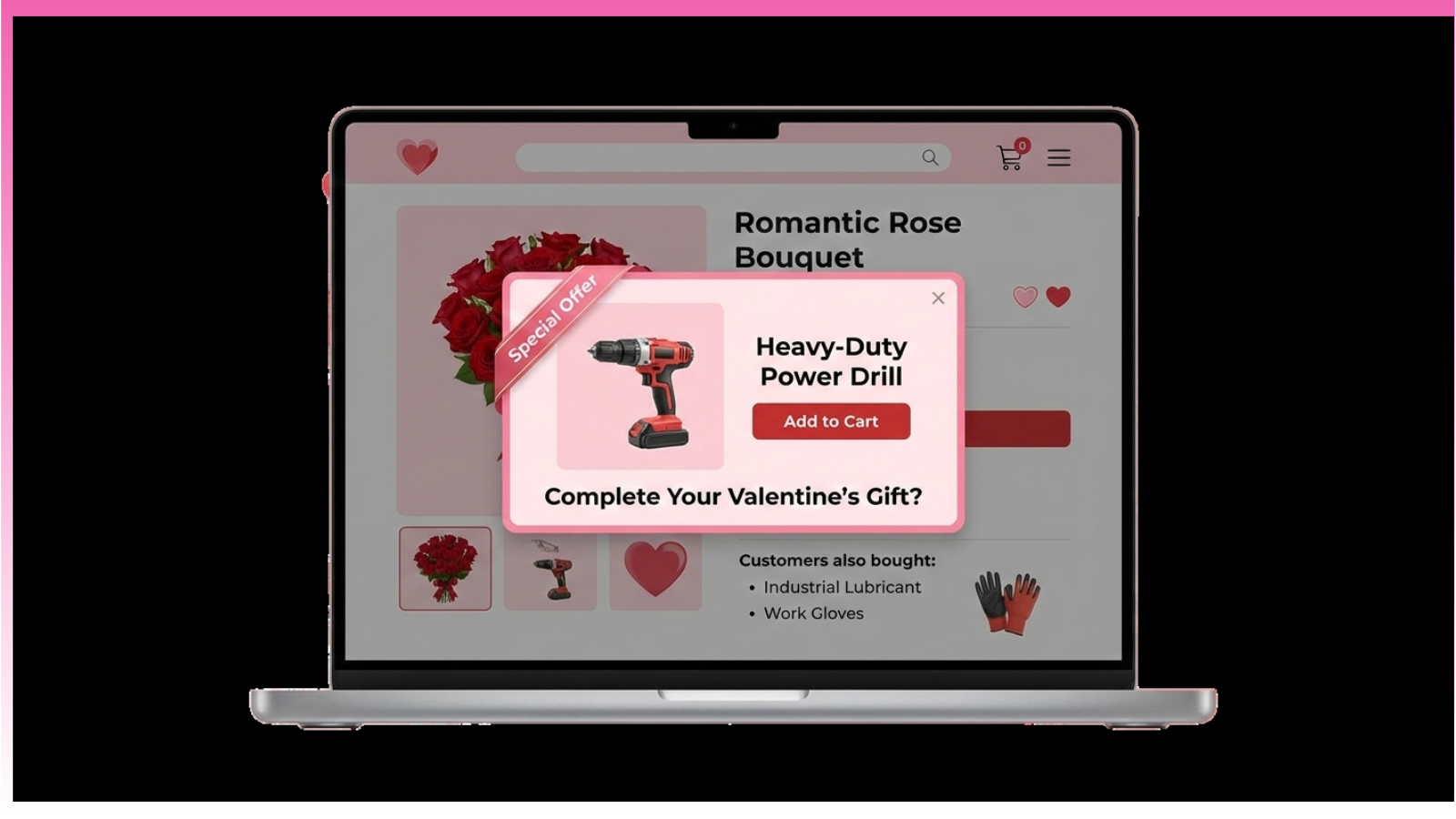
Another common mistake that reduces the effectiveness of Valentine’s upsells is showing product suggestions that are not directly related to the item the customer has selected. This often happens when recommendation systems generate “random” suggestions or rely solely on best‑selling product lists instead of analyzing the customer’s behavior and purchase intent. For example, a customer adds a bouquet of flowers to their cart to gift someone, and the system suggests a T‑shirt or a tech accessory. While these items may have value on their own, they lack emotional and contextual connection, making the suggestions feel out of place and ineffective.
This lack of relevance not only significantly reduces the acceptance rate of upsell offers but also negatively affects the overall user experience. Customers may feel that the brand does not understand them, or worse, that it undervalues the importance of a special shopping occasion like Valentine’s Day. Effective upsells need to show empathy and understanding: suggesting a complementary item like a greeting card, scented candle, box of chocolates, or thoughtfully packaged gift set can both increase AOV and enhance the emotional shopping experience. The key is aligning the main product and upsell offers in both function and sentiment.
Data Points
- About 18.7% upsell acceptance rate: The average acceptance rate when suggested products are closely related to the main item the customer is viewing or has added to their cart. This relevance might come from supplemental functionality, a similar use purpose, or a shared gifting context (according to Segmentify, 2025).
- Up to 45% drop in CTR: A significant decrease in click‑through rate when upsell suggestions lack a clear connection to the main product, resulting in customers ignoring those offers or not finding them compelling enough to engage.
Solutions
1. Build product bundles with clear contextual and practical relevance: Create logical product combinations, such as a bouquet of flowers plus a greeting card plus a gift box for customers buying Valentine gifts. Such combinations not only save customers time in selection but also increase the emotional value and completeness of the gift. Naming these bundles with emotionally evocative labels like “Complete Love Set” or “Surprise Your Valentine Combo” helps enhance appeal.
2. Focus on practical, value‑adding complementary products: Prioritize suggesting items that serve a clear complementary function or enhance the main product. For example, if a customer purchases perfume, recommending an elegant mini gift bag to present it in creates both functional and aesthetic harmony. This type of upsell feels thoughtful and increases AOV without making customers feel pressured.
3. Set up intelligent product suggestions based on categories or related tags: Use classification systems to link main products with relevant complementary items automatically. Such systems can work based on tags, product groups, or historical purchase data to ensure that every suggestion fits the specific context, while also saving manual setup time for store operators.
Mistake #4: Lack of Personalized Messaging
The Problem
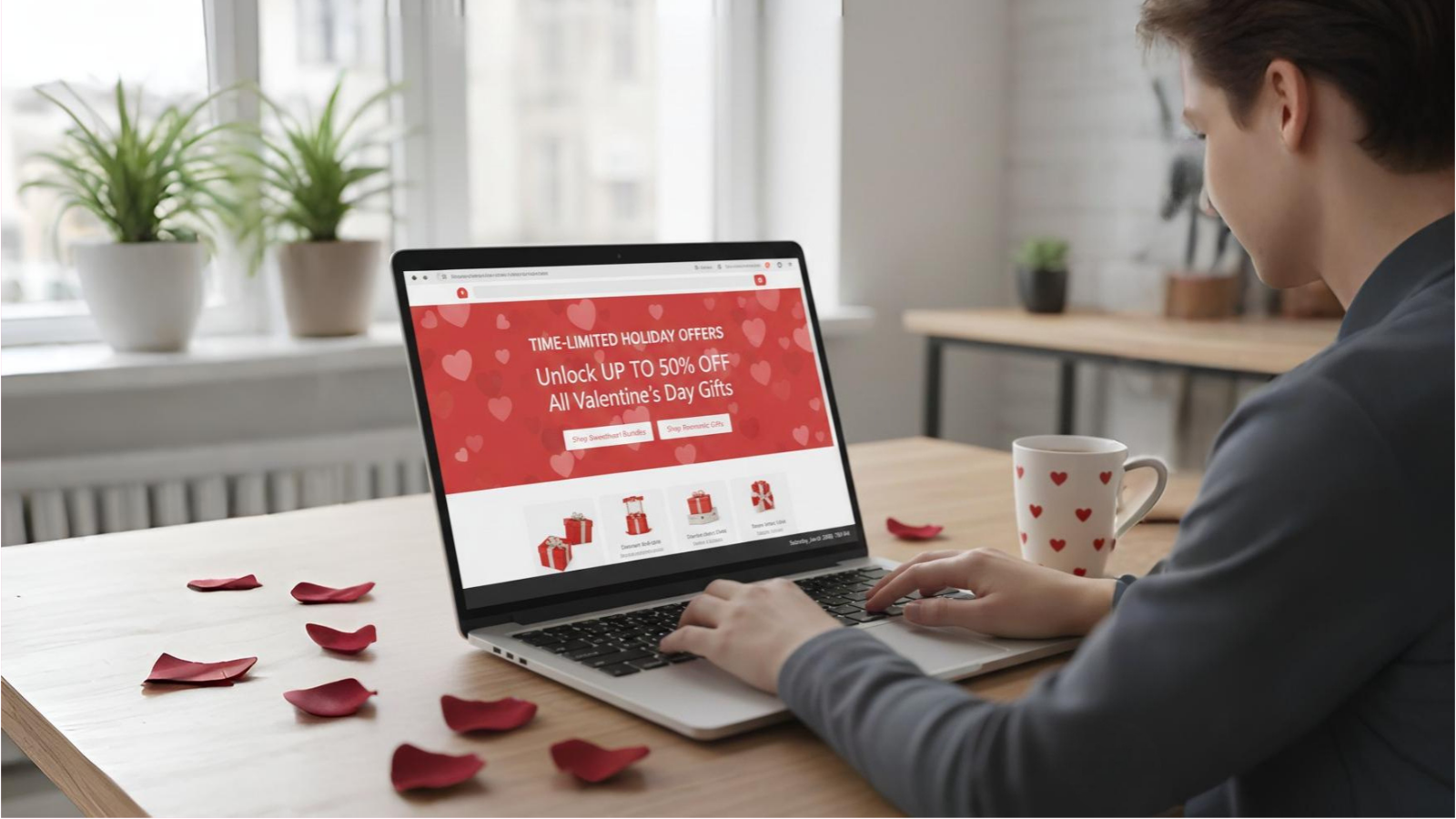
Valentine’s Day is a shopping occasion deeply driven by emotions, where customers are not just buying a product but seeking an experience with meaning and connection. In this setting, using generic upsell messages like “Add this product to your cart” or “You might like this” is no longer compelling enough. These neutral calls to action are easily overlooked because they lack personalization and fail to tap into the emotional state customers are in when preparing a gift for someone special.
Conversely, if the upsell message is tailored to the customer’s context and specific intent, engagement will increase significantly. A message like “Add a Valentine’s card to surprise your loved one” creates a sense of closeness, directly connects to the gifting action, and makes the customer feel that the recommendation is personalized for their purpose, not just an automated suggestion. These small details help brands convey understanding and empathy, which in turn naturally and effectively encourage additional purchases.
Data Points
- 20% to 30% increase in click‑through rate (CTR): The improvement seen when using emotion‑driven, personalized calls to action compared to generic messaging. CTAs that speak directly to customer intent, like “Add a box of chocolates to make their Valentine’s Day unforgettable,” attract more attention than bland phrases like “Would you like to buy more?”
- 65% of e‑commerce stores report conversion growth: After implementing personalized upsell messaging, highlighting the direct link between speaking the customer’s language and driving additional purchases.
Solutions
1. Customize calls to action (CTAs) with emotional and Valentine‑specific context: Instead of using standard phrases like “Add to cart,” apply CTAs that evoke emotion and relevance. Examples include “Add a box of chocolates to make their Valentine’s unforgettable” or “Add a heartfelt card they will cherish.” These messages not only prompt action but also enhance the sense of empathy and connection from the brand.
2. Personalize messaging based on customer data: Use the customer’s name (when available) or their purchase history to tailor messages that feel genuinely personal. For example, if a customer previously bought skincare products, you might suggest, “Continue spreading love with a perfect self‑care set just for you.” Personalizing the message increases engagement and builds customer trust.
3. Include emojis and emotional elements to increase appeal: During Valentine’s Day, customers are drawn to gentle, romantic visuals. Including emojis like 💝, 💌, 🍫, or ❤️ in upsell messaging can increase attention, make content more lively, easier to read, and more approachable. However, use emojis thoughtfully to maintain professionalism and consistency with your brand tone.
Mistake #5: Showing Too Many Upsells at Once
The Problem
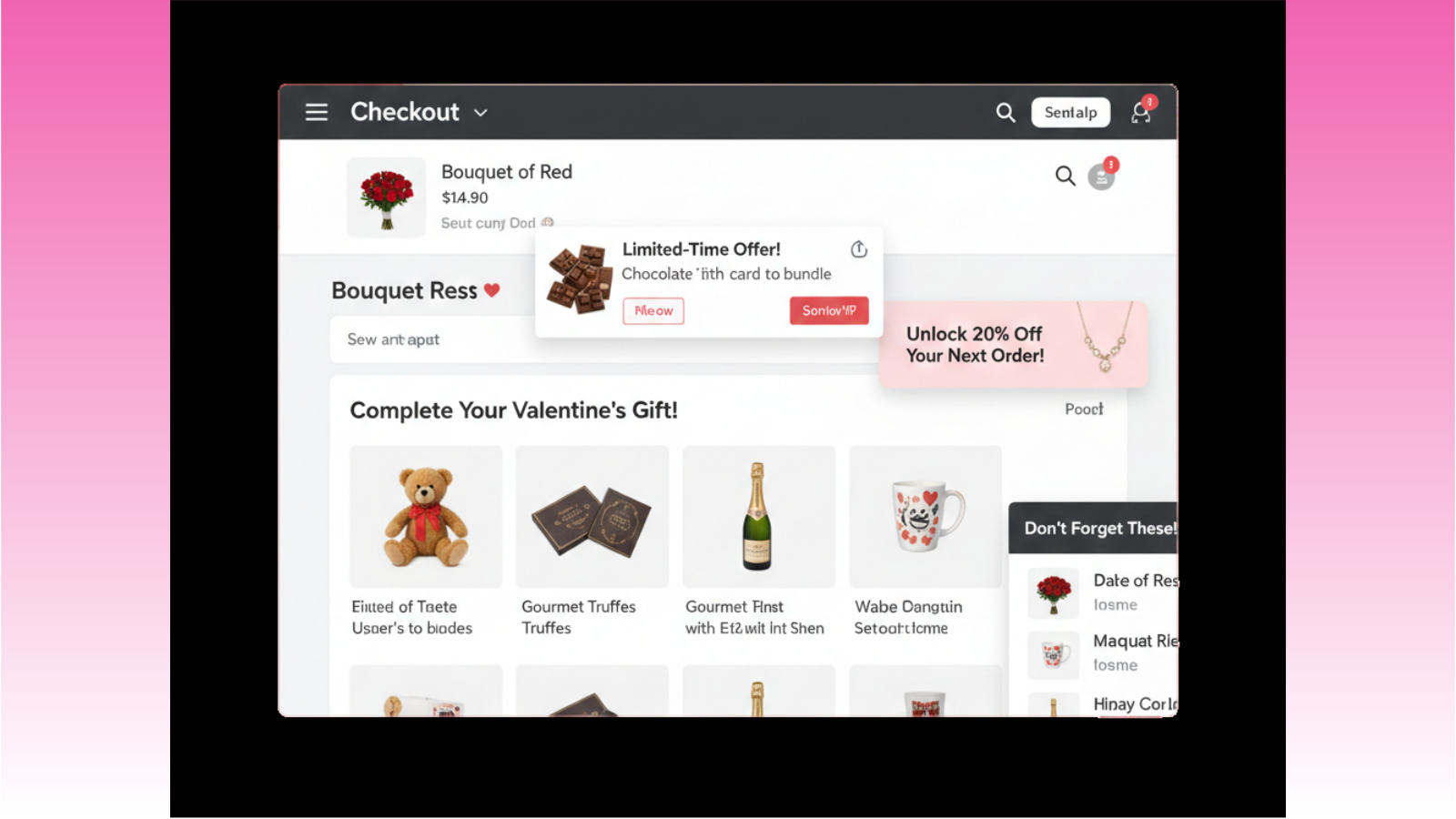
One less obvious but highly impactful mistake is displaying too many upsell options at the same time. Although the intention may be to increase the chance that customers find something appealing, the reality often backfires. When customers are “bombarded” with too many suggestions, they can become overwhelmed, confused, and unsure of what to choose. The fear of making the wrong choice or having to process too many options causes them to delay decisions or, worse, ignore all of the upsell offers.
This is a classic example of the “choice overload” effect, a phenomenon validated by many consumer behavior studies. Instead of increasing conversions, presenting too many unrelated or poorly organized upsell options can dilute the shopping experience and exhaust customers with too many considerations. Especially on occasions like Valentine’s Day, where emotional and impulse purchases are common, fewer but higher‑quality and clearly connected suggestions are far more effective than overwhelming customers with every possible option at once.
Data Points
- 20% to 30% decrease in engagement: A common consequence of choice overload is when customers are shown too many upsell options at once. Instead of encouraging extra purchases, having to sort through too many choices leads to confusion and inaction.
- 15% to 22% increase in click‑through and conversions: Seen when the number of upsell options is limited to 1–2 highly relevant products. Reducing choice helps customers decide more easily and improves focus in the shopping experience.
Solutions
1. Limit the number of upsell suggestions to avoid choice overload: Display no more than 1-2 upsell products that are most relevant to the main item. Reducing the number of options helps customers concentrate, lowers overwhelm, and increases the likelihood of immediate decisions. During Valentine’s Day, when customers are often guided by emotion rather than logic, simpler choices are especially important.
2. Prioritize bundles or complementary products with clear relevance: Suggest products with obvious connections to the main purchase, such as cards + scented candles for flower purchases or chocolate + gift boxes for beauty product purchases. Having ready‑made bundles feels polished and convenient, while naturally increasing order value.
3. Optimize the visual presentation to avoid clutter: Use carousel format rather than long vertical lists, especially on mobile devices. A clear and visually organized display keeps the user experience seamless, easy to navigate, and prevents customers from feeling overwhelmed by too many choices. On desktop, use compact boxes or sidebars so that suggestions are visible without overtaking the main content.
Mistake #6: Not Offering Attractive Incentives
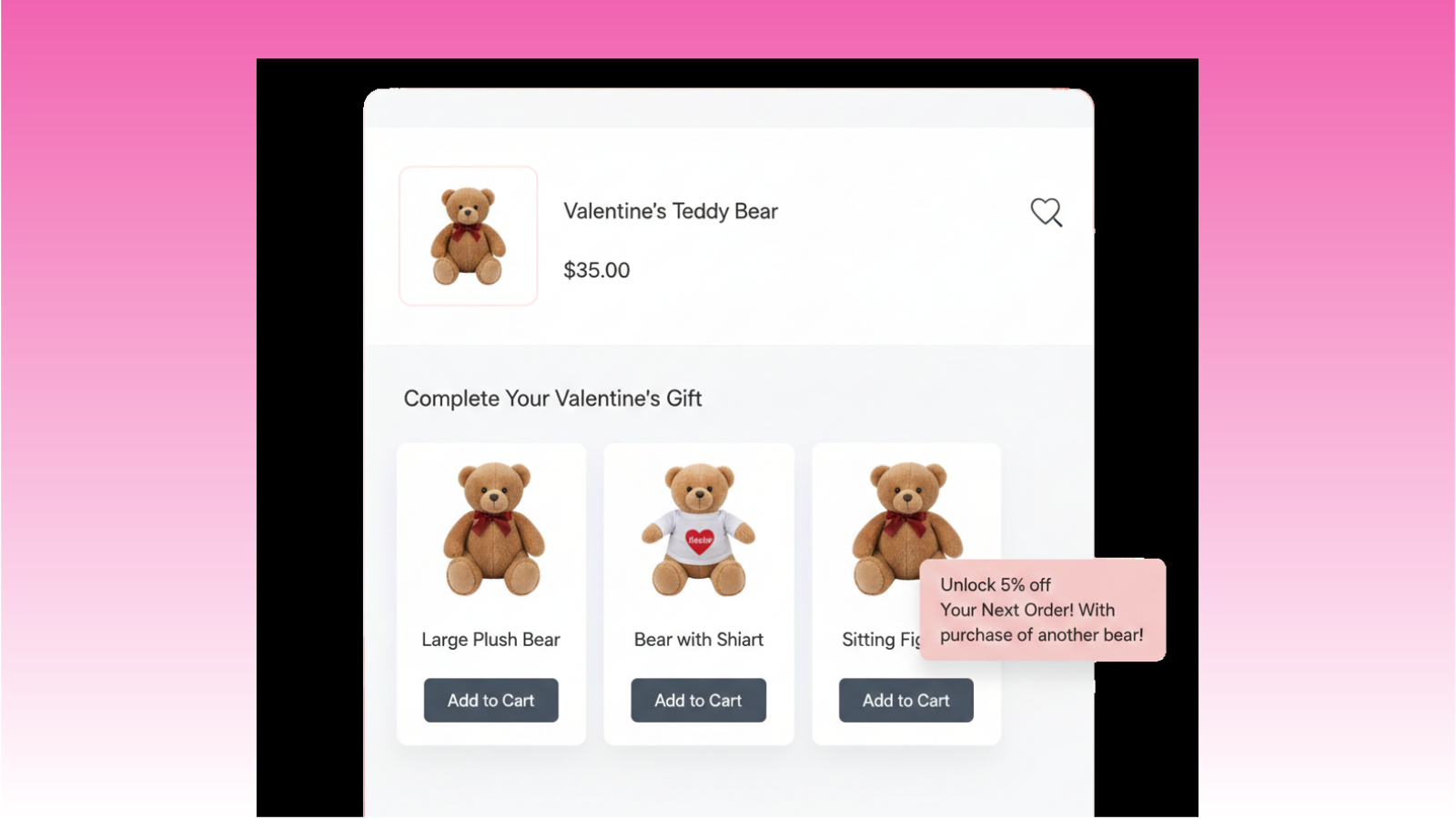
The Problem
In highly competitive periods like Valentine’s Day, where customers have many similar choices, added value becomes a defining factor in whether they choose to spend more. When an upsell is simply a suggestion to add another item without clear benefits such as discounts, bundle savings, or free gifts, customers are likely to ignore it. From their perspective, it becomes just “another item to buy” without a compelling reason to spend extra.
During special occasions, customers often shop with an emotional mindset of “buying to make someone happy.” If the sense of “getting a deal” or “something special” isn’t triggered, the motivation to spend more isn’t strong enough. Small incentives like “10% off when you add a Valentine’s card” or “Buy a combo of flowers + chocolate + card and get free gift wrapping” can make a significant difference. Upsell isn’t just about adding products; it is about presenting an irresistible offer that makes customers feel smart and appreciated for spending more.
Data Points
- 10% to 30% additional revenue from existing customers: The improvement seen when upsell offers include attractive incentives such as discounts, free gifts, or value‑priced bundles. These perks help customers feel they are getting more value for their money, boosting the effectiveness of upsell strategies (according to Barilliance, 2025).
- 12% average increase in AOV: The result of offering bundled product sets at better prices than buying each item individually. Well‑designed incentives encourage extra purchases while giving customers the sense that they are making a wise and economical choice.
Solutions
1. Create Valentine’s Day bundles that offer savings and emotion: Offer special product packages for the holiday, such as a combo of flowers + card + scented candle at a discounted price compared to purchasing each item separately. Such bundles help customers feel they are saving money while still giving a complete and meaningful gift. Use emotionally engaging names like “Complete Love Package” or “Smile Maker Set” to enhance appeal.
2. Provide automatic discount codes when customers choose upsell items: Integrate auto‑discount systems that apply as soon as customers add upsell products. For example, if a customer adds a greeting card to their Valentine’s combo, the system automatically applies a 10% discount to the entire set. This creates an immediate sense of being “rewarded,” encouraging quicker decisions and reinforcing customer value.
3. Offer small free gifts as a reward for additional purchases: Small additions like handwritten cards, mini chocolates, Valentine’s stickers, or premium gift bags can be included with orders that include upsell items. Although these gifts may have low monetary value, they deliver a “delight beyond expectation” that enhances brand goodwill and customer satisfaction. This tactic is especially effective during holiday campaigns when emotional factors heavily influence buying behavior.
Mistake #7: Not Running A/B Tests on Upsell Offers
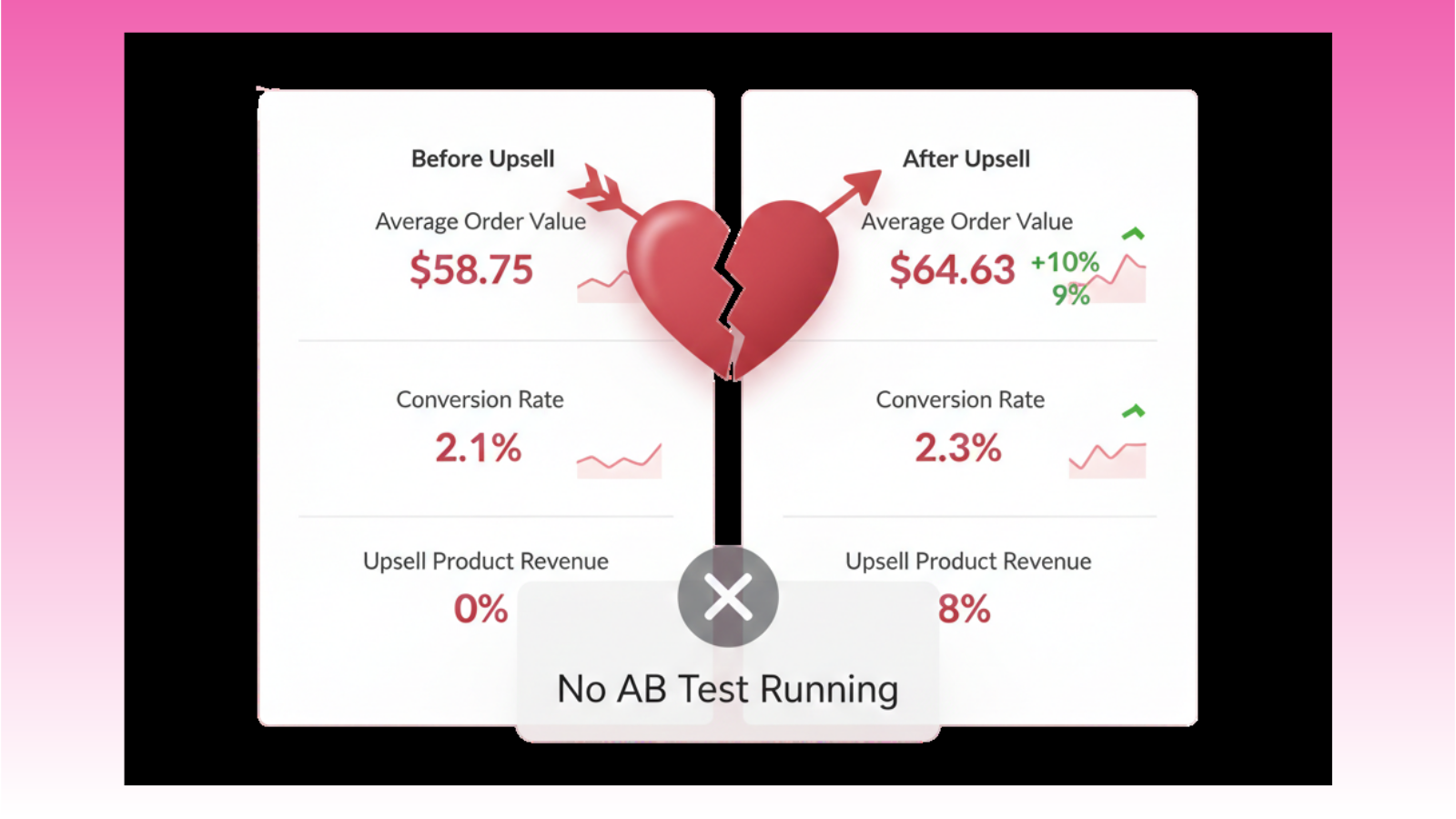
The Problem
One of the subtle but significant mistakes that undermines potential revenue gains is not conducting A/B tests on upsell elements. Many brands set up a single default upsell with the same content, placement, imagery, and timing throughout the campaign. While this may feel safe, it prevents businesses from identifying which elements actually drive performance and which may be barriers to conversion. This is especially problematic during emotionally sensitive seasons like Valentine’s, where shopping behavior can shift quickly and subtly. Without testing, brands miss out on opportunities to improve.
Not doing A/B testing is like selling in the dark; you make decisions based on assumptions rather than real data. A simple CTA like “Add to cart” may underperform significantly compared to a more tailored version like “Add to your Valentine’s combo for 15% savings.” Similarly, an upsell displayed at the top of a product page might be ignored more often than one presented in the cart. Only by testing different variations of content, imagery, order, button color, or timing can you truly understand what motivates customers to add more items to their purchase. With that insight, every Valentine’s campaign can become a reliable growth engine.
Data Points
- 10% to 28% increase in conversion rate: An improvement commonly observed when brands apply A/B testing to upsell content, including experimenting with headlines, calls to action (CTAs), product descriptions, images, and placement. Testing different variations helps determine what drives additional purchases most effectively (according to Evinent, 2025).
- Increase from 3% to 5.8% upsell acceptance rate: The specific result seen by a Shopify store after performing A/B tests with different CTA versions. A case study from Swanky Agency demonstrates that simply changing the CTA wording can nearly double the effectiveness of upselling.
Solutions
1. Conduct A/B testing on key upsell factors that influence buying behavior: Set up controlled experiments on critical elements such as upsell placement, CTA content, product image presentation, and timing within the user journey. For example, you can compare the performance of CTAs like “Add to cart” versus “Add to your Valentine’s bundle for an unforgettable moment,” or test upsells shown in the cart versus after clicking checkout.
2. Track performance by customer segment to optimize based on actual behavior: Analyze A/B test results not only in aggregate but also by customer segment (e.g., new customers, returning buyers, those buying for partners, those buying for themselves). Understanding which segment responds best to which variation allows you to implement deeply personalized upsells and drive sustainable growth.
3. Use built‑in A/B testing tools available on e‑commerce platforms: If you use Shopify, take advantage of apps that facilitate automated testing, such as Zotasell. These tools allow you to create multiple upsell versions and easily measure their effectiveness. Such tools make it simple to test withouta complex technical setup while providing critical data to make informed decisions quickly, especially during high‑traffic seasons like Valentine’s Day.
Afterthought
Valentine’s Day is not just a seasonal sales opportunity but a strategic moment for brands to increase order value, enhance the shopping experience, and build long‑lasting customer relationships. This is a time when consumer behavior is deeply emotional: if leveraged correctly through effective upsell techniques, brands can generate superior value compared to other times of the year.
By avoiding common mistakes and implementing solutions such as personalized content, timely offers, attractive incentives, and continuous testing, upselling can do more than boost immediate revenue; it can contribute to sustainable long‑term growth. Now is the time to make every website visit during Valentine’s Day an opportunity to elevate both order value and customer experience in a meaningful way.


Join in our newsletter
Need more detail?
Access our Help Center & Resources to learn how Zotasell works, explore use cases, and share with your team.