


Best Strategies to Boost Shopify AOV with Ethical Upsells in 2025
Table of content
Over the past year, I have worked closely with multiple Shopify merchants to test different approaches to non-intrusive upselling. Across these hands-on projects, one insight became consistently clear: ethical upsells perform best when they strengthen the shopper’s original purchase intent, rather than interrupt it. Instead of feeling like sales pressure, the offer becomes a natural extension of the shopping experience.
As part of my work supporting Shopify stores, I regularly conduct structured upsell audits that include funnel analysis, heatmap reviews, offer sequencing, and post-purchase behavior mapping. This framework allows me to benchmark ethical upsell performance across industries and identify patterns that generic AOV advice often overlooks. By combining real customer interaction data with sustainability-impact models, I am able to provide recommendations that are both conversion-driven and tailored to long-term brand positioning.
|
WHAT YOU’LL LEARN IN THIS ARTICLE
|
I. The Rise of the AOV-Conscious Eco-Shopper
The fast-paced change in consumer behavior has been very noticeable among the younger generation, where the preference for brands that adopt good practices in sustainability and ethical production is very pronounced.
- A survey conducted by First Insight found that 62% of Gen Z would rather purchase from a brand that is sustainable, and an even higher percentage of 73% would accept the extra cost of a product that is eco-friendly.
- A recent survey conducted worldwide by PwC indicates that this trend is very strong: consumers are willing to pay an average of 9.7% for products with sustainability certification despite the economic difficulties they are facing.
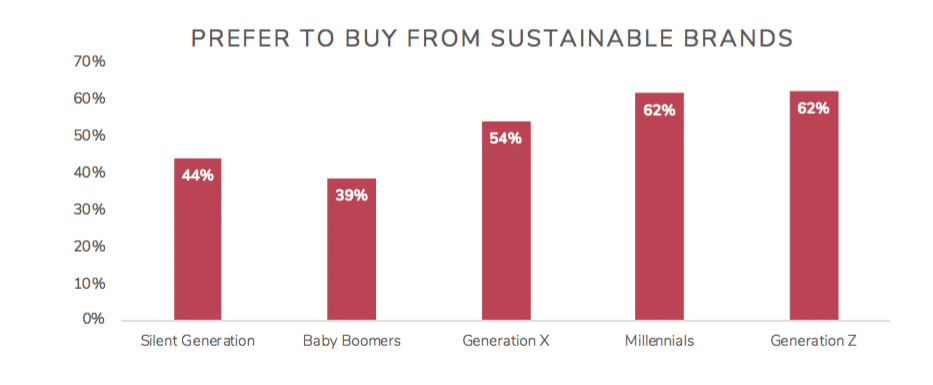
These shifts point to a clear conclusion. Environment-conscious shoppers are no longer a niche segment. They actively seek brands that reflect their values and are willing to pay more when sustainability is genuine and visible.
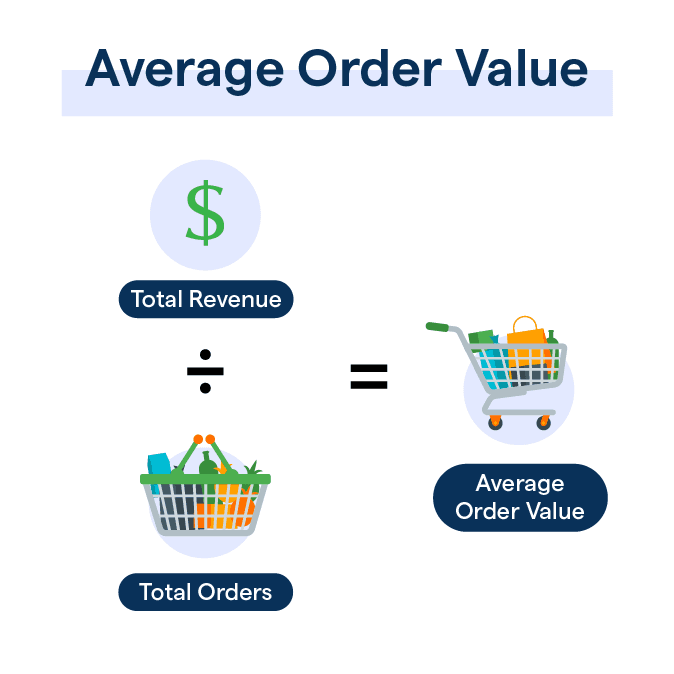
As a result, an “Ethical Upsell” is a mission-aligned way to increase Average Order Value (AOV): instead of pushing random add-ons, you recommend products that reinforce your brand’s values.
For instance, a brand selling organic apparel can upsell a compostable tote bag, an eco-friendly laundry products kit, or low-impact packaging. Those suggestions will not be perceived as sales pressure but rather as a continuation of the buyer’s commitment to making wise selections.
II. The Trust Trigger: When to Present an Ethical Upsell
In my own testing, post-purchase ethical offers consistently outperformed pre-purchase ones. One merchant selling eco-friendly home goods saw a noticeable lift when we introduced a carbon-offset prompt on the thank-you page rather than during checkout. Customers were already feeling positive about their purchase, and the contextual placement made the offer feel like a continuation of their decision rather than a new request.
Ethical upsells work best when trust is already established. This typically happens immediately after the customer completes their purchase.
That is why post-purchase and thank-you page offers often outperform pre-purchase placements, especially for mission-driven actions such as carbon offsets or charitable donations. At this stage, customers feel positive about their decision and are more receptive to small, value-aligned contributions.
In the early stages of the customer journey, you could already sell ethical additions with the help of cart-page widgets. Such widgets are perfect for low-impact “sustainable upgrades” like eco-friendly premium packaging and “green shipping” that enable you to reach either the order minimum or the shipping goal. These small, mission-aligned add-ons integrate naturally into the cart experience and feel like functional upgrades rather than additional decisions.
The trend is echoed by Simon-Kucher’s 2024 Global Sustainability Study, where 54% of consumers said they are willing to pay more for sustainable alternatives, a significant rise from previous years. When brands align their upsell strategy with this mindset, the result is higher AOV and stronger emotional loyalty, without disrupting the natural buying journey.
III. Shopify App Ecosystem for Ethical Upselling
Many shoppers appreciate a chance to make their order a little more planet-friendly. Carbon-neutral shipping apps offer a simple way to offset emissions and fit naturally into upsell or post-purchase moments.

Carbon-Neutral Shipping Apps
These applications allow consumers to neutralize the carbon emitted from their orders through a minor contribution included during checkout or after. The carbon offset integrates easily with most upsell/cross-sell apps, making it possible to display the offset option at the moment of highest trust.
When evaluating sustainability apps for clients, performance differences rarely come from features alone. Instead, they are driven by three critical factors:
- Depth of certification and verification
- Transparency of impact data
- How clearly those metrics are presented within the upsell experience
Apps that communicate real, verifiable impact consistently outperform tools that rely on generic sustainability claims.
Examples of apps:
- Shopify Planet: Shopify’s native solution for automatic carbon-neutral shipping. Simple setup and seamless checkout experience.
- EcoCart: Carbon Neutral Orders: lets customers add a verified carbon offset and shows transparent impact metrics.
- Cloverly: a carbon offset platform with a wide range of certified environmental projects.
Donation & Social-Impact Apps
Through donation apps, customers can make their contributions to certified charities by rounding up their spare change or simply adding a fixed amount to their order. If you have your donations integrated with your upsell app, you may position the donation option on the cart page, in the checkout, or on the thank-you page, depending on which touchpoint performs best for your audience.
This segment is perfect for brands with a mission that do not want to impose on their customers very diverse choices, and at the same time would like every purchase to support a cause.
Examples of real apps:
- Givz Donation App: flexible donation flows that support multiple verified charities.
- Pledge: Donations & Impact: supports round-up donations, fixed contributions, and real-time impact displays.
- ShoppingGives (Change Commerce): widely used by DTC brands; offers donations across several touchpoints.
Sustainable Packaging & Eco-Upgrade Apps
The customer is the one who decides whether to go for eco-friendly packaging, low-impact shipping, or reusable materials. They are the perfect solution for those who want to provide frictionless incremental sales that resonate with their sustainability message and support it very subtly.
When connected to an upsell engine, this upgrade can be presented as a lightweight cart-page widget, which is one of the simplest ways to raise AOV without being pushy.
Examples of real apps:
- EcoCart (Packaging Upgrade Feature): beyond carbon offsets, EcoCart offers optional sustainable-packaging upgrades.
- reCORK: supports recycled and eco-material programs for select product categories.
- Packt: Eco-Friendly Packaging: allows stores to offer green packaging upgrades through cart or checkout widgets.
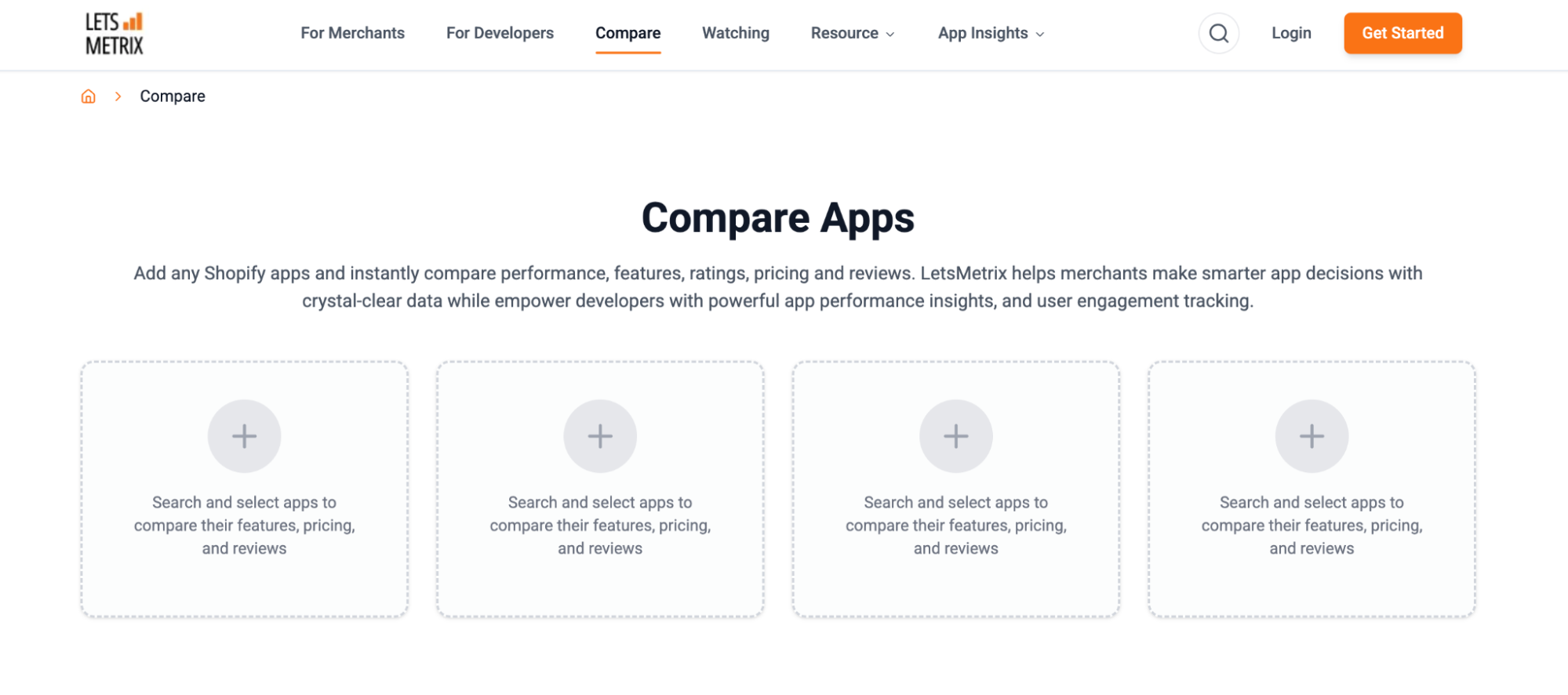
If you want a clearer picture before installing anything, Letsmetrix offers a simple side-by-side comparison of Shopify apps. It’s an easy way to see how sustainability tools stack up in terms of pricing, features, integrations, and customer reviews with real-time data.
IV. Content and Design Best Practices (A/B Test Ideas)
Before you roll out any ethical upsell, it helps to know what can go wrong and what actually works in real checkout flows.
Risks and Common Pitfalls of Ethical Upsell
Ethical upsells can be powerful, but they also come with risks that can easily undermine trust if not handled well. In my experience helping merchants evaluate sustainability tools, the apps that perform best are the ones that clearly communicate impact without adding friction. During store audits, I often found that merchants struggle not with the upsell idea itself, but with presenting it in a way that feels transparent and easy to understand.
1. Greenwashing
Only ethical upsells that are backed by actions can deliver the promised good. If a company sells an environmentally friendly add-on without having sincere green practices, the customers can very soon know about the lie. A 2024 global survey found that 52% of consumers believe brands are greenwashing, highlighting how sensitive shoppers are to misleading sustainability claims. Such a fake green company loses the customer’s trust very quickly, and once the trust is lost, no upsell will be successful.
That’s why transparency matters; shoppers increasingly expect brands to show proof, whether through certifications, impact reports, or clear sustainability disclosures. From a behavioral-economics perspective, ethical upsells only succeed when cognitive trust is established. During several merchant reviews, I found that shoppers respond far more positively when brands provide verifiable proof points, impact metrics, and third-party certifications. Without these elements, even well-intentioned sustainability offers tend to underperform or trigger skepticism.
2. Decision Fatigue
During checkout, customers want to be sure. The presentation of too many causes, levels of donations, or options for sustainability can be too much for them. When the mind has to decide among five different “good deeds”, it usually picks none. Lessening the options helps to keep the flow going and safeguards your sales rate.
A simple, single-choice ethical upsell often performs better, because it reduces cognitive load and lets the shopper act on instinct rather than hesitation.
3. Pricing Friction
Even the highest-upselling campaign aligned with the company’s mission will not work if the cost seems higher than the value. Donating or green-upgrading at a high price, especially when the cart value is low, can result in a situation that discourages customers from making a purchase. Thus, ethical upselling works best when it feels like a small price to pay rather than a heavy burden.
Framing the upsell as a micro-contribution, something small, clear, and proportional, helps maintain momentum without triggering price resistance.

Best Practices of Ethical Upsell
Once the common risks are understood, it becomes much clearer how to design ethical upsells that reliably strengthen trust and improve conversions.
1. Framing the Copy
In multiple ethical-upsell audits, I found that shoppers respond best to messaging that reduces perceived cost and increases clarity of purpose. Rather than transactional language, value-focused phrasing helps the shopper understand the practical impact of their choice. Copy that clearly states the outcome, such as supporting waste reduction or funding a verified environmental initiative, makes the offer easier to evaluate and reduces psychological resistance.
Short, outcome-led messages like “Plant a tree with your order” or “Choose low-impact packaging” perform well because they communicate what the action achieves without forcing emotional commitment. This keeps the decision lightweight and intuitive.
2. Social Proof
Real-time impact indicators can be a great help to the ethical upselling of avoiding losing credibility and performing poorly. The “1,000 trees planted this month” or “5,000 plastic bottles saved so far” widgets displaying metrics serve as conclusive evidence that the brand keeps its word and that the contributions are indeed significant.
This transparency not only gains the customers’ trust but also allows the brand to leverage a strong motivator: the customers are likely to engage in the actions more if they are aware that the actions are already leading to positive, measurable changes.
3. A/B Testing Ideas
Ethical upsells are highly sensitive to placement, so structured testing is essential. Each touchpoint serves a different level of shopper attention and intent:
-
Cart Page: works well for lightweight eco-upgrades such as premium packaging or green shipping.
-
Checkout Page: suitable for small, proportional contributions tied to order value.
-
Post-purchase / Thank-you Page: typically the highest-converting for mission-driven options because cognitive load is low and trust is already established.
Even small adjustments, such as changing the default amount, simplifying button text, or refining the visual hierarchy, can produce measurable improvements. Continuous testing ensures the offer remains relevant, intuitive, and aligned with shopper expectations.
Afterthought
Across the ethical upsell implementations I’ve worked on, one pattern remains consistent. Shoppers respond best when the offer is easy to evaluate. Clear impact, predictable cost, and minimal friction consistently outperform emotional messaging alone. When customers understand exactly what their contribution achieves, acceptance rates increase naturally.
Strategic placement amplifies this effect. Post-purchase touchpoints or clean cart experiences reduce cognitive load and help shoppers make quick, confident decisions. When an ethical upsell feels simple, transparent, and proportionate to the order value, it strengthens rather than interrupts the journey.
Ultimately, ethical upselling works because it builds trust over time. With verifiable impact indicators, thoughtful timing, and a focus on practical value, brands can increase order value while reinforcing customer loyalty. A well-executed ethical upsell doesn’t add complexity; it adds clarity, and both the shopper and the business benefit as a result.


Join in our newsletter
Need more detail?
Access our Help Center & Resources to learn how Zotasell works, explore use cases, and share with your team.