


How to Maximize AOV This Valentine’s Day with Zotasell
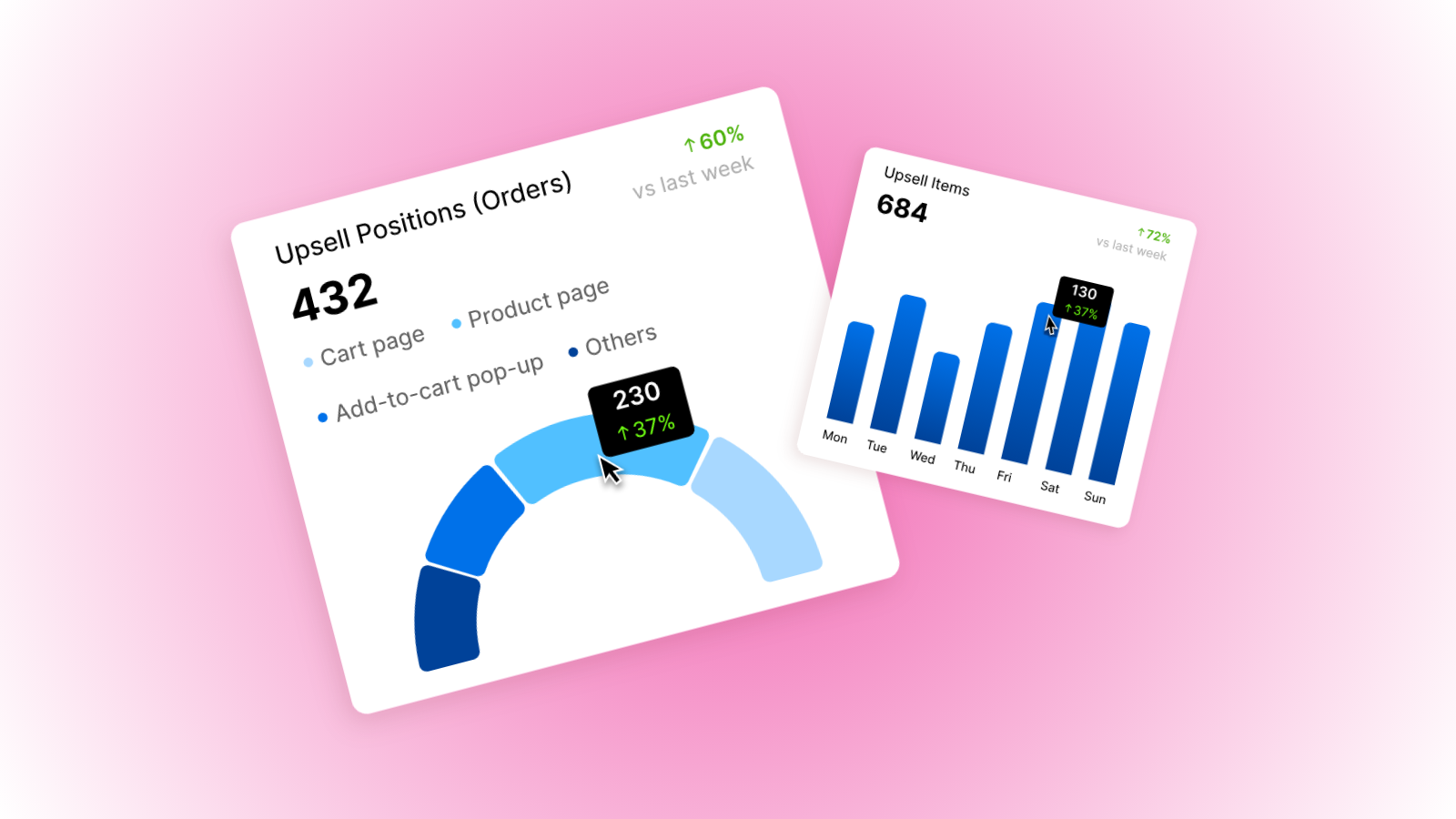
Table of content
Valentine’s Day is not just a celebration of love; it is also one of the most profitable seasonal moments in e‑commerce. During this period, shoppers are highly motivated to buy meaningful gifts, and they are often willing to spend more to make those purchases feel special. For online stores, this creates a valuable opportunity to increase revenue quickly, even without attracting additional traffic.
However, driving more sales during a short holiday window is not only about discounts or promotions. The real key lies in increasing Average Order Value (AOV) by encouraging customers to add more relevant products to their cart. This is where smart upselling, product bundling, and personalized recommendations make a significant difference. In this guide, you will learn why AOV is especially important during Valentine’s Day and how tools like Zotasell can help you turn seasonal shopping intent into higher revenue per order through well‑timed, customer‑focused strategies.
I. What Is AOV and Why Does It Matter for Your Valentine’s Day Campaign?
In the world of e-commerce, Average Order Value (AOV) is a critical performance metric that tells you how much each customer spends on average every time they make a purchase. This figure helps merchants evaluate pricing strategies, upsell techniques, and customer purchase behavior.
AOV = Total Revenue / Number of Orders
For instance, if your store earns $5,000 from 100 orders, your AOV would be $50.
1. Shoppers Spend More on Meaningful Gifts During Valentine’s Day
Valentine’s Day consistently ranks as one of the biggest retail spending events of the year. In the United States alone, total Valentine’s Day spending is expected to reach $27.5 billion in 2025, with an average spend of about $188 per person. This represents a steady increase over previous years, as more consumers shift to online and hybrid gift buying. Holiday‑specific research shows that 55% of Valentine’s Day spending goes toward non‑traditional gifts like experiences, customized products, or curated bundles, and 40% of consumers plan to purchase more than one gift per recipient. This means that many shoppers are already inclined to fill their cart with multiple complementary items rather than buying only a single SKU.
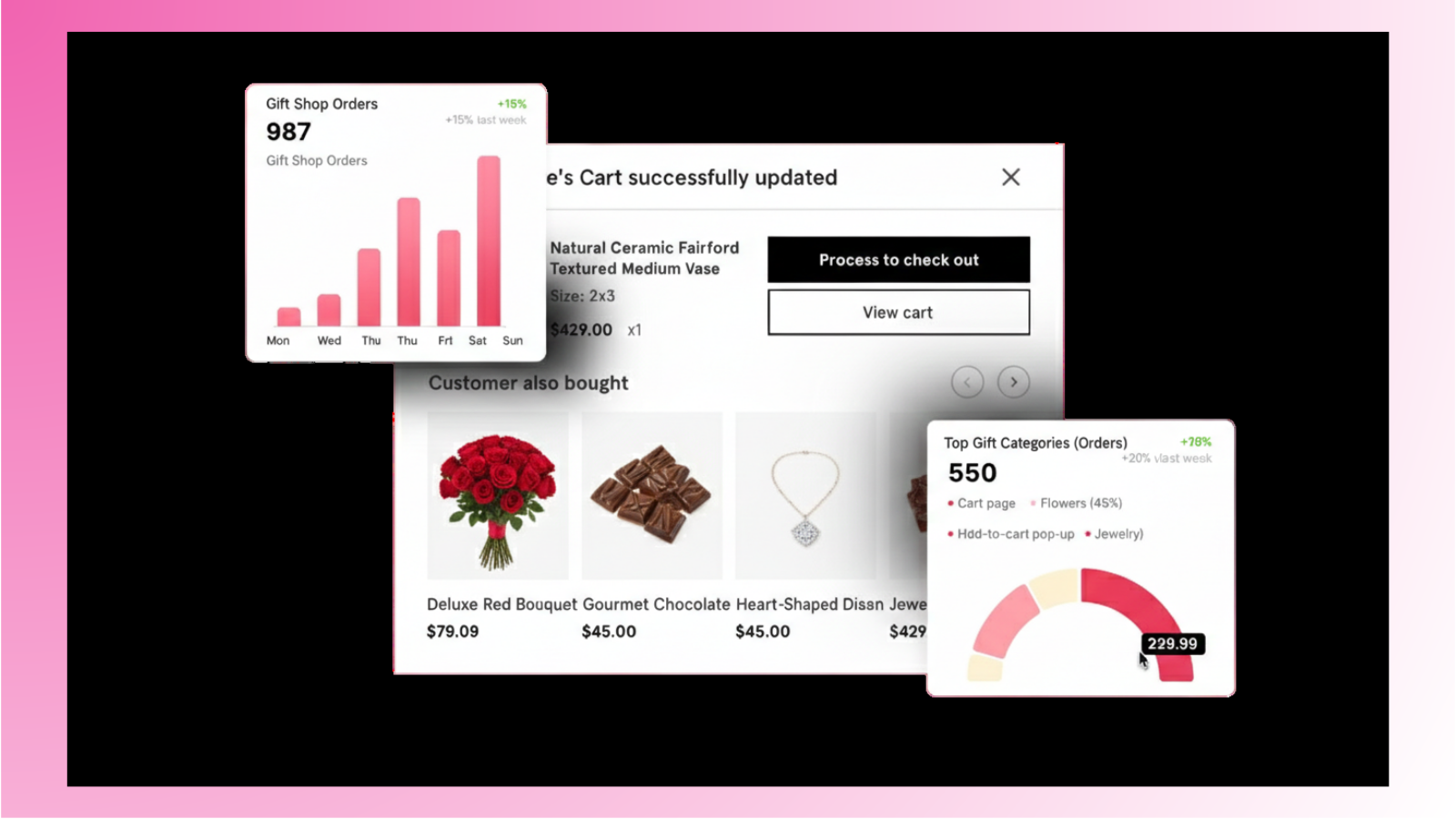
During Valentine’s campaigns, consumers are far more likely to buy add‑on items that enhance the gifting experience. These may include:
- Greeting cards, curated gift boxes, and accessories
- Complementary products, such as perfume alongside skincare essentials
- Upgraded versions of core items, like premium chocolates, alongside bouquet purchases
This natural inclination toward bundled gifting makes Valentine’s Day an ideal moment to increase Average Order Value without additional sales pressure. In campaigns we’ve observed, shoppers during Valentine’s rarely buy just one item. When presented with curated gift bundles or small add-ons, many are willing to increase their cart value if the offer feels thoughtful and relevant.
2. Higher AOV Boosts Revenue Without Increasing Ad Spend
When AOV rises, your store generates more revenue from the same amount of traffic. This is particularly valuable during seasonal peaks like Valentine’s Day, when online ad costs can increase by 10-30% due to competitive bidding and increased demand for keywords like “Valentine’s gifts” or “gift bundles.” Ecommerce data shows that 40% of Valentine’s Day gifts are purchased online, and mobile transactions account for more than 60% of ecommerce traffic during the peak period.
By increasing AOV through upselling, bundling, and thoughtful product recommendations:
- You improve total revenue without necessarily increasing your advertising budget
- You increase profit margins by spreading acquisition costs over higher order values
- You make each customer visit more profitable
This means that stores that successfully increase AOV can actually generate more revenue while spending less on customer acquisition, which is crucial when advertising costs spike during holidays.
3. Limited‑Time Campaigns Demand Fast, Measurable Impact
Valentine’s Day campaigns are time‑sensitive by nature. Most seasonal buying research indicates that purchase intent starts rising about 2-3 weeks before Valentine’s Day and peaks in the final 3-5 days leading up to the holiday.
In this narrow window:
- Customers make quicker buying decisions
- They expect quick and relevant product suggestions
- They respond well to tactical nudges like bundles, conditional offers, and segmented recommendations
Because of this condensed timeframe, long‑term awareness tactics like general brand storytelling or broad marketplace promotions may have a limited effect. On the other hand, optimizing AOV influences revenue immediately, making it one of the fastest ways to boost overall sales.
Data shows that stores that implement effective upsell and bundling strategies can increase AOV by 15-35% in a few weeks, even when total traffic remains the same. This rapid improvement translates directly into measurable revenue growth during the campaign, making AOV optimization a key performance indicator for seasonal success.
II. What Is Zotasell and How Does It Help Boost AOV?
Overview of Zotasell
Zotasell is a powerful no-code platform built to help online merchants increase their Average Order Value (AOV) through intelligent sales strategies. It allows ecommerce businesses to set up product bundles, upsell and cross-sell offers, and personalized product recommendations without requiring any technical expertise. This makes it an ideal solution for both seasonal campaigns like Valentine’s Day and long-term efforts to improve conversion rates.
The platform leverages real-time customer behavior to automate upsell logic. By analyzing what shoppers view, add to cart, or purchase, Zotasell delivers targeted offers at the most impactful moments. As a result, the shopping experience becomes more personalized and relevant. When customers feel understood and see meaningful suggestions, they are more likely to increase the value of their order.
Key Features
- Smart product bundling based on behavior
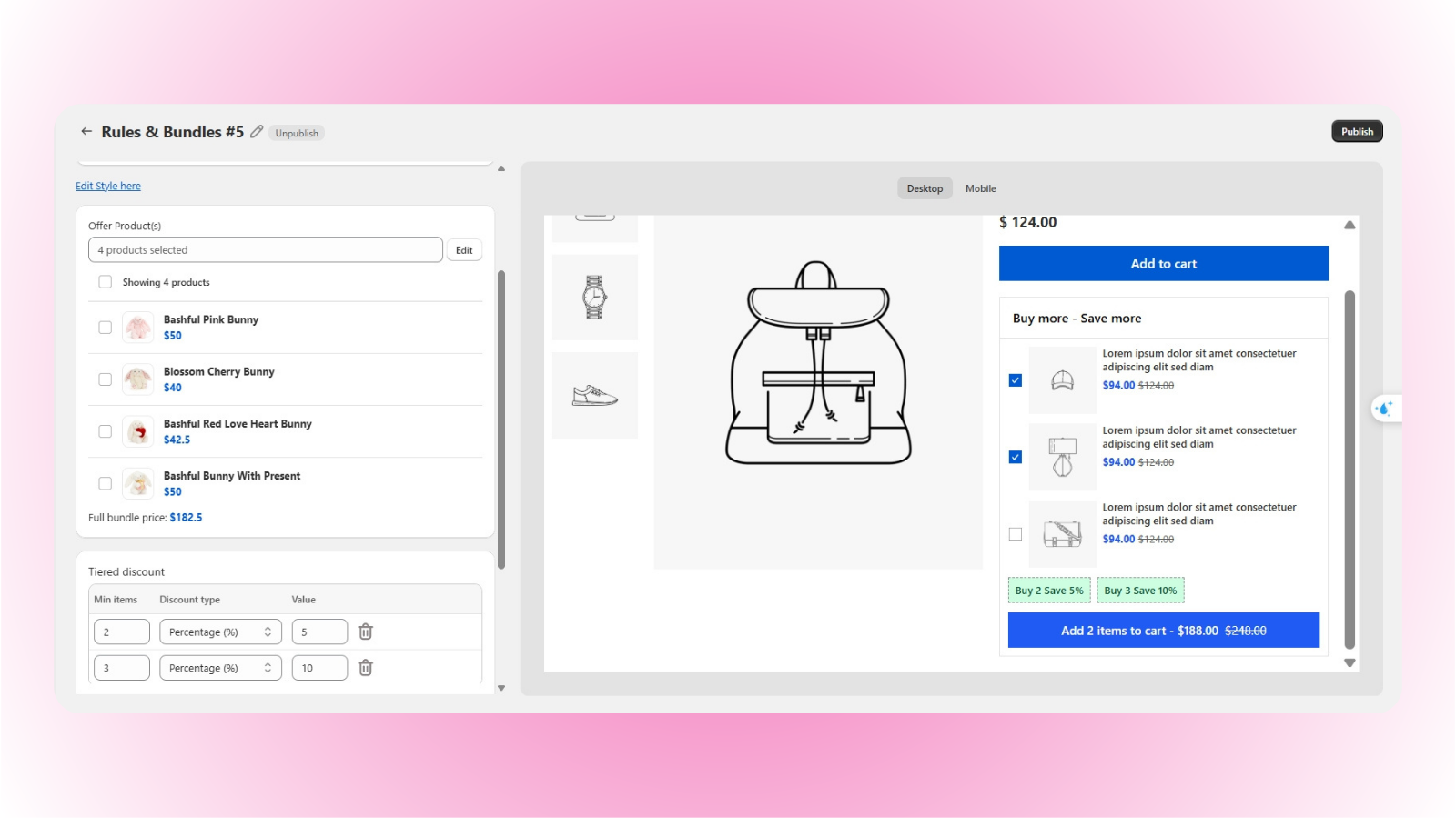
Zotasell allows merchants to build bundles that make logical sense from the customer’s perspective. Instead of manually grouping random products, the system lets you create combinations that reflect real usage habits. For example, customers who buy a facial cleanser can be shown a skincare set that includes a matching toner and serum, helping them complete their routine in one purchase.
- Upsell suggestions at multiple key touchpoints
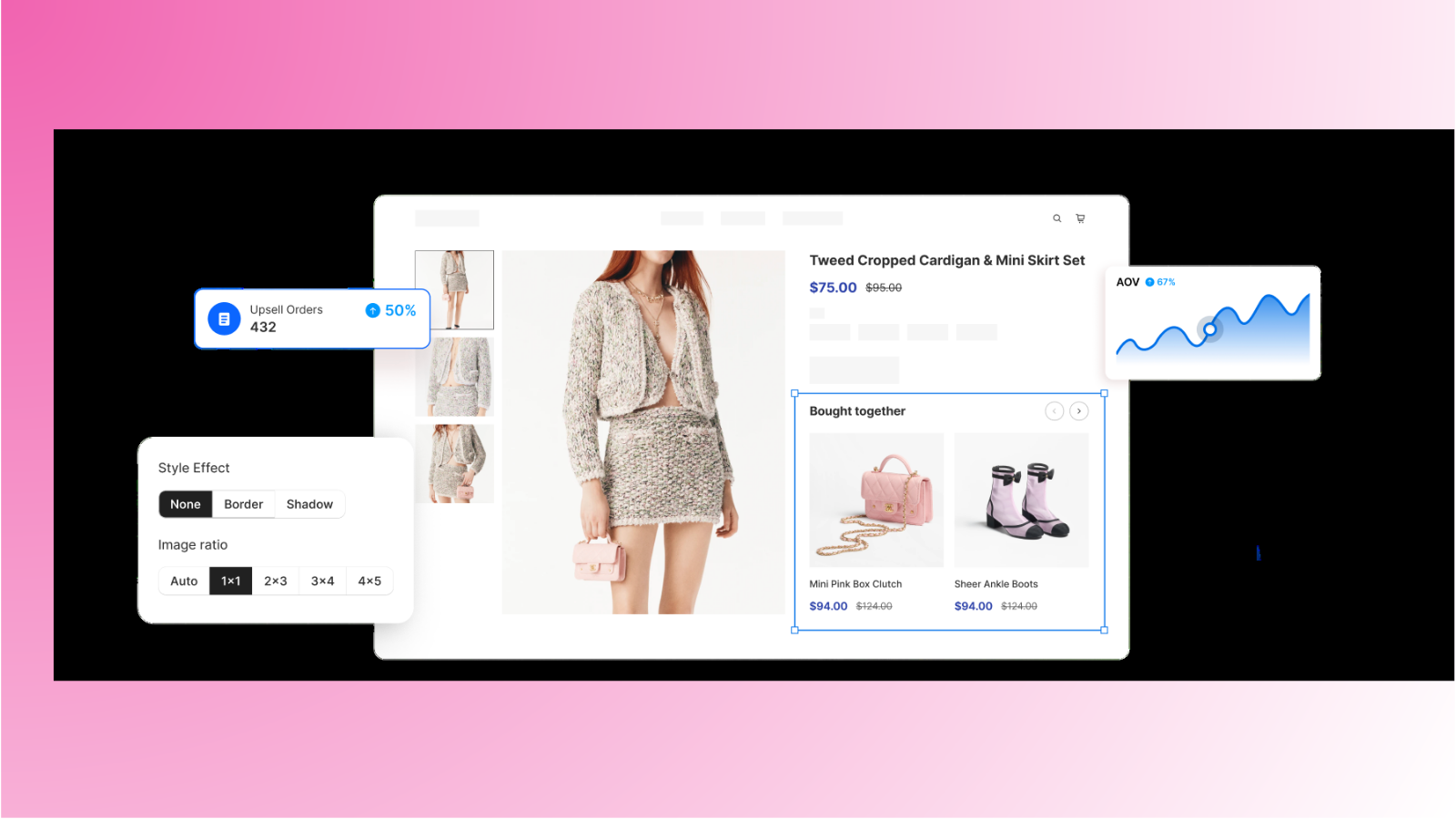
Upselling only works when it appears at the right moment. Zotasell supports upsell placements across essential locations in the user journey, including the product detail page, cart page, drawer view, and checkout. These strategic placements allow you to suggest higher-value or complementary items when customers are already considering a purchase, increasing the likelihood of acceptance.
- AI-powered product recommendations
Zotasell’s AI engine analyzes customer behavior in real-time. Based on browsing history, previous orders, and product interactions, it recommends combos or items tailored to individual interests. This type of personalization ensures that product suggestions feel relevant rather than intrusive, leading to a better user experience and higher conversion rates.
- Built-in performance tracking for each combo
You can easily monitor the success of every bundle or upsell offer using Zotasell’s built-in analytics dashboard. Merchants have access to important metrics such as AOV, number of views, click-through rates, and conversions. This level of transparency helps you identify which strategies are working and where adjustments are needed, allowing for ongoing optimization.
Strengths
- User-friendly and intuitive: The platform is designed for non-technical users, making it ideal for small businesses and marketing teams that want quick results.
- Fast setup with no coding required: You can launch product bundles and upsell flows within minutes, without needing developer support.
- Supports multiple upsell touchpoints: From homepage to checkout, Zotasell covers the entire customer journey.
- Personalized and segment-based: You can customize offers by customer segment, allowing targeted campaigns for first-time buyers, returning customers, or VIPs.
Limitations
While Zotasell provides a powerful suite of tools to increase AOV, its effectiveness depends on how well it is implemented within your overall ecommerce strategy. Here are four key limitations to keep in mind:
- Requires high‑quality content
Upsell tools alone are not enough. Successful bundles rely on strong visuals, persuasive product imagery, benefit‑driven combo names, and clear value messaging. Without compelling creative assets, even well‑placed offers may fail to capture attention or drive conversions. - Needs ongoing monitoring and optimization
Zotasell is not a one‑time setup. Merchants must continuously track performance metrics such as views, click‑through rates, conversion rates, and AOV. Regular analysis and adjustments based on customer behavior and seasonal trends are essential to maintain effectiveness over time. - Personalization depends on data strategy
Although Zotasell supports segmentation and behavioral targeting, results depend on how well customer data is structured and utilized. Generic upsell logic can limit performance, while thoughtful segmentation unlocks stronger relevance and higher engagement. - May require cross‑team coordination
For growing brands and larger businesses, executing effective bundling and upsell strategies often involves collaboration between marketing, design, merchandising, and analytics teams. Alignment across these functions ensures offers remain consistent, relevant, and optimized across all touchpoints.
III. Who Should Use Zotasell for Valentine’s Day Campaigns?
Zotasell is designed to serve a wide range of merchants across various business sizes and industries. Its flexibility and ease of use make it particularly valuable for brands aiming to maximize revenue during high-impact seasons like Valentine’s Day.

Is Zotasell Right for You?
1. Ecommerce store owners on platforms such as Shopify, Shopline, and others
Zotasell provides a fast and seamless way to deploy upsell and bundling strategies without requiring technical skills. This makes it especially useful for store owners who want to quickly set up Valentine’s Day promotions while avoiding complex backend development.
2. Brands focused on increasing revenue per order without increasing ad spend
Rather than pouring more budget into paid traffic, Zotasell enables merchants to optimize the value of existing customer visits. This is a cost-effective way to improve ROI during short seasonal campaigns when time and resources are limited.
3. Small businesses, startups, and D2C brands with limited technical resources
For teams without in-house developers, Zotasell offers a drag-and-drop interface and pre-configured logic that makes setting up product bundles and upsell offers simple and fast. It lowers the barrier to entry for advanced sales tactics, allowing smaller players to compete effectively.
4. Enterprise-level retailers with complex product catalogs
Larger brands operating across multiple customer segments often need personalized offers at scale. Zotasell supports advanced use cases, including behavioral segmentation, real-time personalization, multi-channel bundle tracking, and system-wide data integration. This makes it an excellent choice for enterprise users looking to manage sophisticated upsell strategies during high-traffic events like Valentine’s Day.
Suitable Product Categories
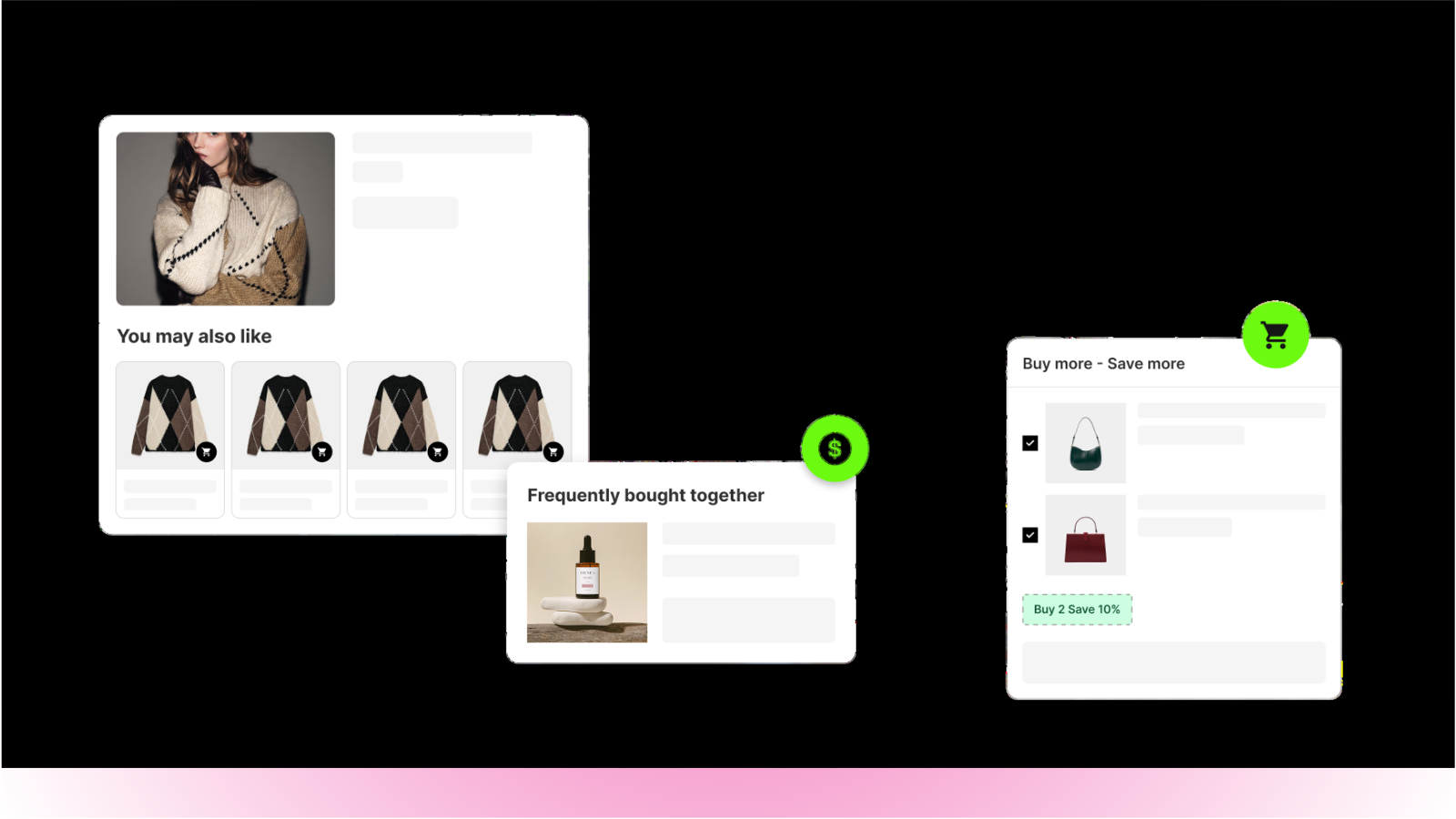
Zotasell is especially effective for categories where bundling, gifting, and product pairing add value to the customer experience. This includes:
- Giftable items such as flowers, skincare, personalized products, and romantic bundles
- Fashion items like matching outfits, accessories, and shoes
- Personal care products, including lotions, fragrances, and essential oils
- Lifestyle and tech accessories such as wireless earbuds, portable speakers, or novelty gadgets
These product types naturally align with Valentine’s Day gifting behavior, which makes them highly responsive to bundling and upsell strategies.
When to Use Zotasell
Zotasell is particularly effective in the lead-up to Valentine’s Day, when shoppers are actively seeking thoughtful and meaningful gifts. Launching campaigns during this period allows merchants to tap into a natural surge in purchase intent. By using Zotasell to present personalized bundles and upsell offers, you can significantly increase the average order value without relying on additional ad spend or traffic acquisition.
Beyond seasonal peaks, Zotasell is also valuable when your store is running ads but experiencing underwhelming conversion results. It gives you the ability to boost AOV across critical customer touchpoints, such as product pages, cart, and checkout, without any coding required. This makes it an ideal solution for merchants who want fast deployment, higher efficiency, and smarter monetization of existing traffic.
IV. Strategies to Combine with Zotasell to Maximize AOV This Valentine’s Day
To maximize AOV during Valentine’s Day, it’s essential to pair the right strategy with the right timing and audience intent. Zotasell offers powerful tools, but how you combine them with targeted campaign tactics will determine the final impact. Below are five high-converting strategies you can apply using Zotasell to make the most of seasonal buyer behavior and turn one-time visitors into multi-item buyers.
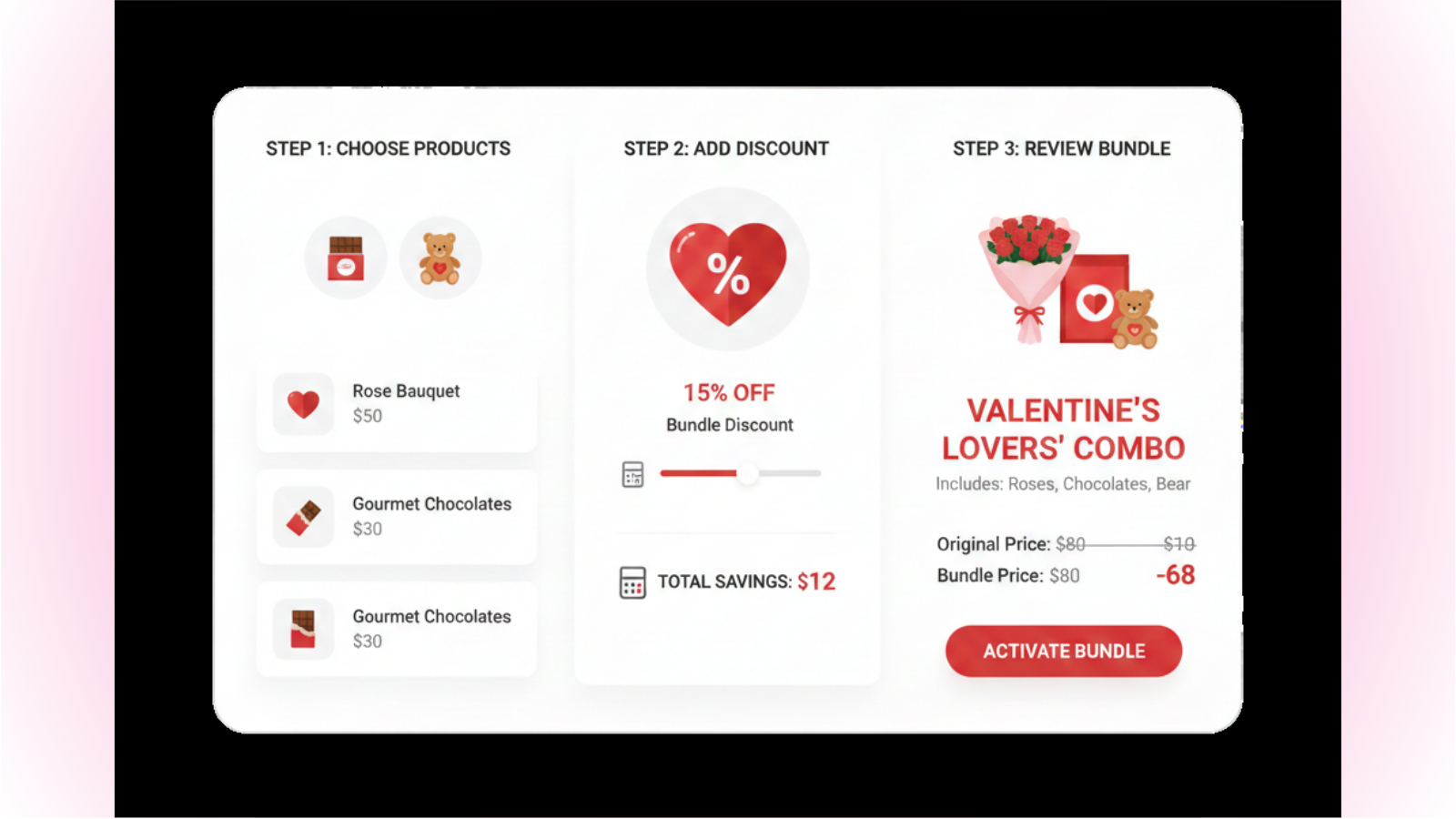
1. Create Product Bundles with a Valentine’s Theme
Themed product bundles are one of the most powerful ways to increase AOV during a seasonal campaign. For Valentine’s Day, shoppers are often looking for complete gift sets rather than individual items. When you group related products into a cohesive, purpose-driven combo, you simplify the buying decision and increase the perceived value.
Examples of effective Valentine’s bundles include:
- A “Date Night Skincare Set” featuring cleanser, toner, and serum, bundled with a limited-edition Valentine’s gift bag.
- A “Couple’s Essentials Kit” with matching mugs, candles, and a greeting card.
Best practices when creating Valentine’s bundles:
- Place the bundle directly below the main product on the page to ensure visibility.
- Use compelling visuals that highlight the full set, not just individual items.
- Write a clear, benefit-driven title like “Save 20% on the Perfect Gift Set for Her.”
When bundles are contextual and well-placed, they naturally encourage customers to purchase more while solving their need for a complete gift solution.
2. Suggest Frequently Bought Together Products
Customers who are already in a gifting mindset are open to relevant add-ons, especially when those suggestions feel helpful, not pushy. Suggesting products that are frequently purchased together reinforces the shopper’s decision and opens the door to increasing order value without friction.
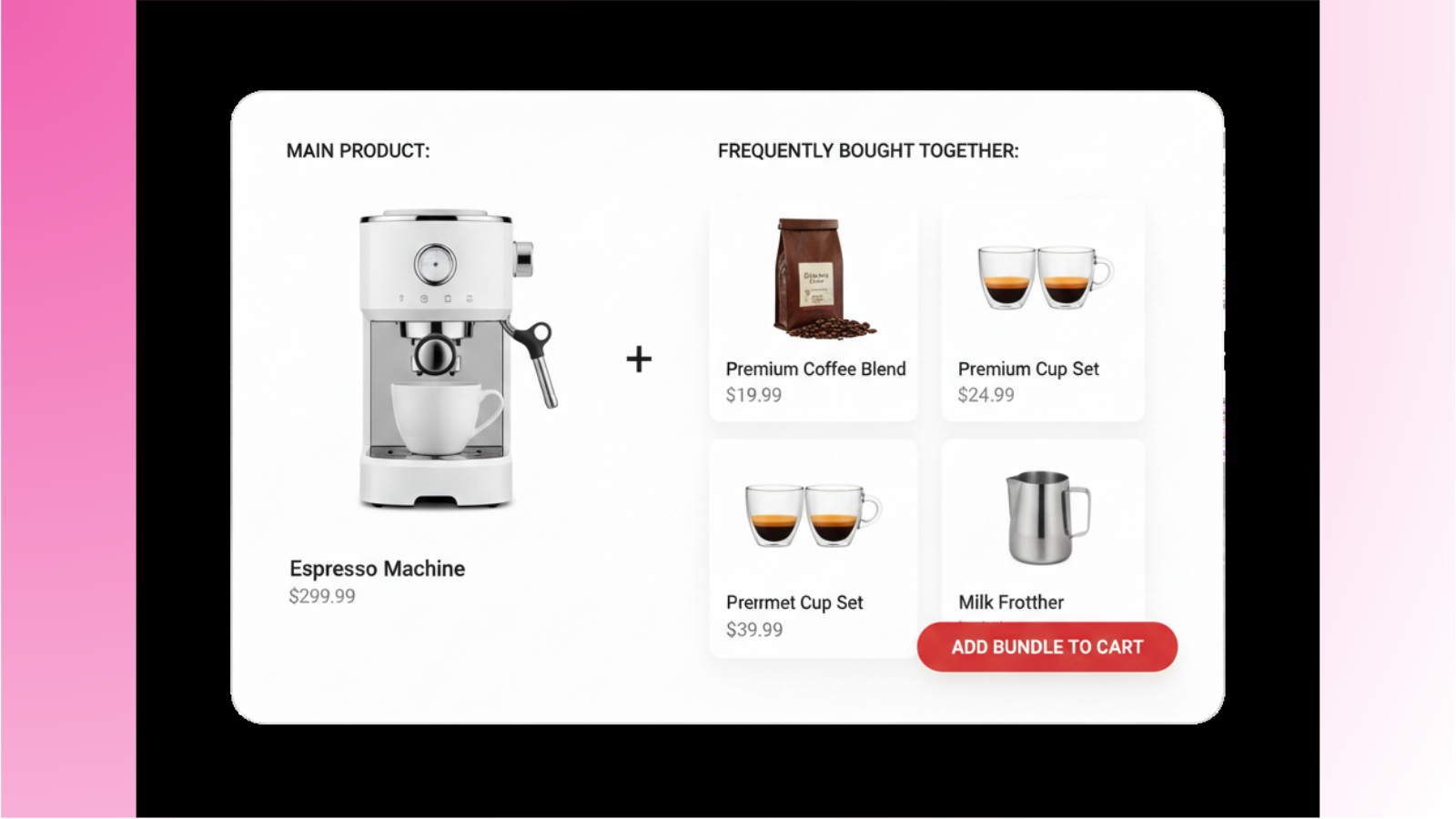
Common examples during Valentine’s campaigns:
- Pair a body lotion with a matching fragrance.
- Suggest candles, cards, or wrapping paper alongside beauty or fashion gifts.
How to implement it effectively with Zotasell:
- Use a drawer-style upsell that appears after a product is added to cart.
- Include these suggestions in the cart view with labels like “Others also bought.”
- Keep the recommendation section visually clean and limited to 2–3 relevant items.
Relevant cross-sells at the right time can lead to impulse purchases that feel thoughtful and personalized, especially in emotional campaigns like Valentine’s.
3. Offer Conditional Discounts to Incentivize Higher Spending
Conditional discounts are an excellent way to guide customer behavior without seeming overly promotional. Instead of offering a blanket discount, these offers reward customers for increasing their order value.
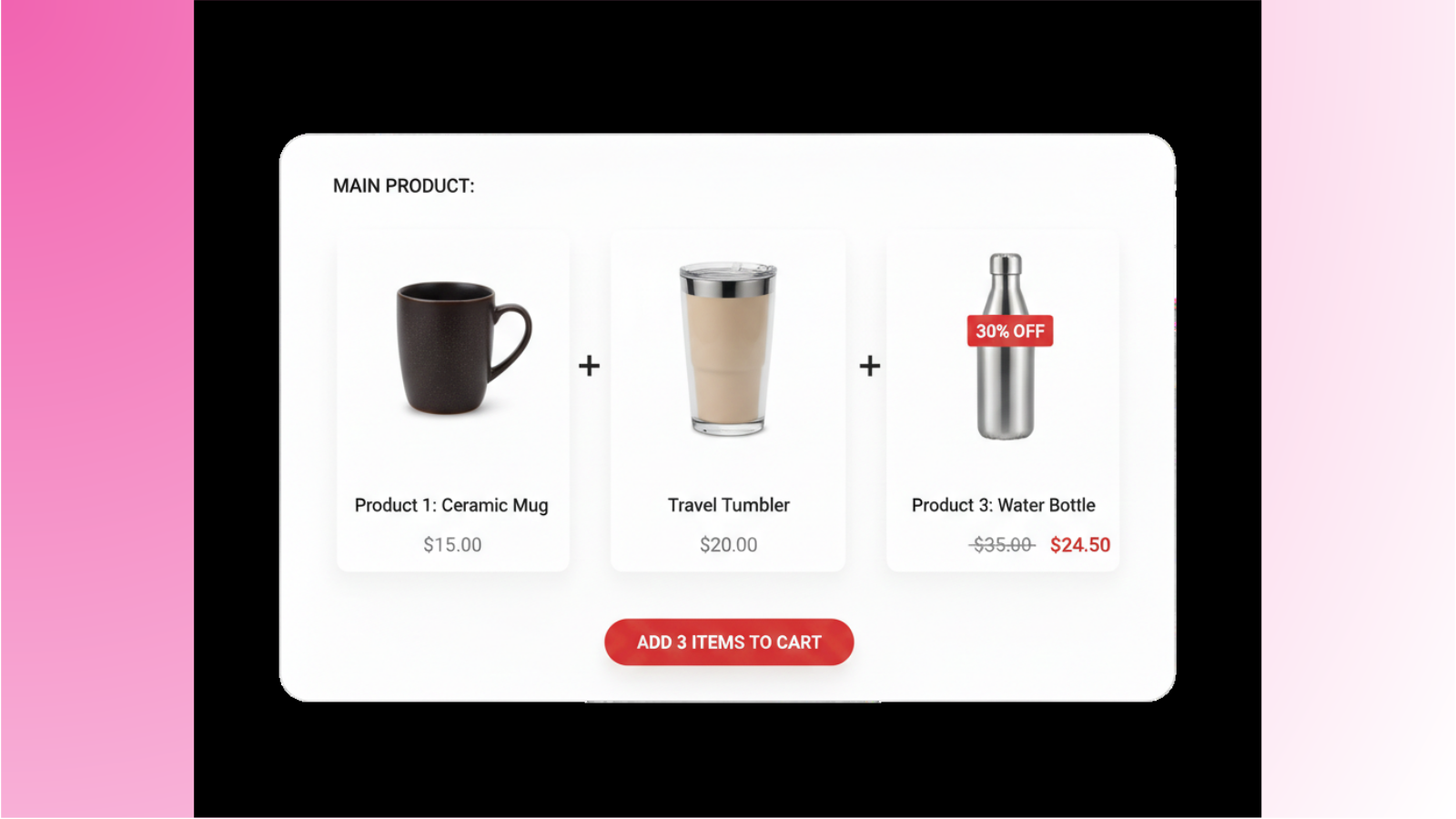
Smart examples of conditional discounts:
- “Spend $29 or more and receive a handwritten Valentine’s card for $1.”
- “Buy 2 products, get 20% off the 3rd item.”
- “Orders above $50 receive a free Valentine’s gift box.”
Why this strategy works:
- It gives customers a clear incentive to add more items to their cart.
- It boosts average cart value without applying discounts indiscriminately.
- It maintains perceived product value while driving volume.
With Zotasell, these promotions can be configured quickly and targeted to specific customer segments or order thresholds, making them both efficient and scalable.
4. Apply AI-Powered Product Recommendations
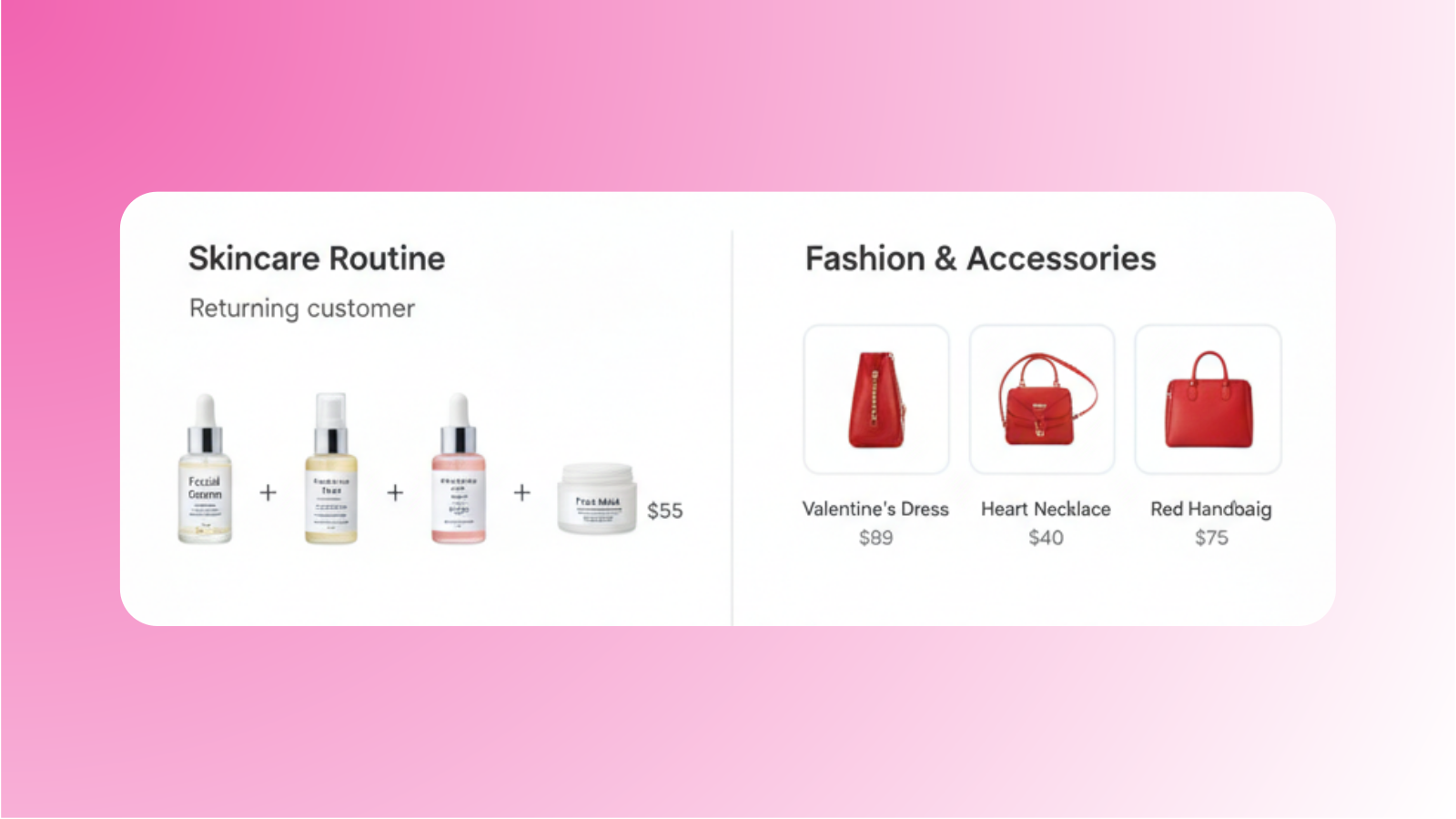
Artificial intelligence makes it possible to dynamically recommend products that align with a customer’s real-time behavior. Rather than offering generic combos, you can surface bundles and upsells based on what the customer has viewed, clicked, or purchased previously.
Example use cases:
- If a customer previously bought a facial serum, the system can recommend a toner and face mask that complete the skincare routine.
- A returning customer who frequently browses fashion items may be shown accessories or Valentine-themed outfits based on past interest.
Advantages of using AI suggestions:
- Recommendations feel personalized and timely.
- Customers see only what’s relevant to their preferences, reducing decision fatigue.
- The likelihood of impulse add-ons increases when suggestions are accurate.
Zotasell enables stores to deliver these AI-driven experiences without technical complexity, improving AOV while enhancing the customer journey.
5. Segment Customers for Targeted Upsell Campaigns
Upselling is most effective when it matches the customer’s current status and behavior. By using Zotasell’s segmentation features, you can tailor upsell offers that speak directly to where the customer is in their journey.
How to personalize upsells by segment:
- First-time buyers can receive a “starter bundle” with a one-time discount, making their first purchase feel like a special offer.
- Loyal customers can be offered an exclusive premium bundle or a limited-edition Valentine’s pack as a reward for their repeat business.
- High-spending users can see curated gift collections with luxury add-ons, increasing both perceived value and emotional impact.
Benefits of segment-based upselling:
- Higher conversion rates due to increased offer relevance.
- Greater customer satisfaction from feeling seen and valued.
- More efficient promotions with better ROI per visitor segment.
Zotasell makes it easy to deploy these strategies without manual setup for each audience group, letting you scale personalization without complexity.
V. Common Mistakes to Avoid When Using Zotasell to Optimize AOV
While Zotasell provides powerful tools to help you boost average order value (AOV), their success depends on thoughtful implementation. Missteps in strategy or presentation can reduce their effectiveness and even turn customers away. Below are four common mistakes merchants should avoid when using Zotasell, especially during high-intent campaigns like Valentine’s Day.
1. Creating bundles without a clear logic
One of the most frequent issues is grouping products that lack a natural connection. If shoppers cannot immediately recognize the relationship between items in a combo, they are less likely to see the value. For example, combining unrelated products like a skincare item with a random kitchen tool will confuse rather than convince.
To avoid this, ensure your bundles solve a specific need or reflect a real-world use case. Valentine’s Day is an emotional shopping occasion, so context matters. A “Romantic Evening Set” featuring candles, wine glasses, and a handwritten card makes far more sense than arbitrary product pairings.
2. Lack of compelling visuals and clear calls to action
Presentation plays a major role in whether or not a customer engages with your bundle. Even a high-value combo can be overlooked if it’s poorly displayed. Common issues include:
- Low-quality or small product images
- Overcrowded layout or lack of spacing
- No highlighted pricing advantage or offer badge
Equally important is having a clear, actionable CTA (call to action). Instead of passive text, use language like “Add this set and save 20%” or “Complete your gift with this combo” to guide customer behavior. Strong visual hierarchy and messaging make it easier for shoppers to take the next step.
3. Irrelevant upsell suggestions
Upsell effectiveness is directly tied to how relevant the suggested products are to the shopper’s intent. Showing unrelated items, such as suggesting men’s accessories when someone is buying a Valentine’s gift for a woman, can break the shopping flow.
Zotasell allows you to set behavior-based and segment-specific rules, so use them to ensure every recommendation feels personalized. Consider:
- Previous purchase history
- Product categories being viewed
- Customer type (new, returning, VIP)
The more aligned your upsell is with the current intent, the more likely it is to convert.
4. Showing upsell suggestions at the wrong time in the buyer journey
Even the right upsell can fail if delivered at the wrong moment. If customers see add-on suggestions too early, such as on the homepage or during product discovery, they may feel distracted or overwhelmed. Conversely, if suggestions appear after the purchase decision is already made, the opportunity is lost.
Zotasell supports placement across various touchpoints, so use that flexibility strategically:
- Display bundles below product details when purchase intent is high
- Use drawer or cart-page upsells to catch attention post-add-to-cart
- Show final suggestions just before checkout for last-minute add-ons
When timed correctly, upsells feel helpful rather than intrusive, and that’s key to maximizing AOV without damaging the customer experience.
Afterthought
Valentine’s Day is one of the most emotionally meaningful shopping occasions of the year. Customers arrive with strong intent and a willingness to spend more, especially when they are shopping for loved ones. This gives merchants a rare window to increase order value by offering product suggestions that feel thoughtful, relevant, and seamlessly connected to the customer’s journey. When presented well, these offers are not seen as promotions but as enhancements to an already heartfelt purchase.
Zotasell empowers you to take full advantage of this moment. Through personalized bundles, AI-driven recommendations, and upsell placements across key touchpoints, your store can guide every shopper toward a more valuable cart. Whether you manage a small boutique or a large ecommerce brand, Zotasell helps turn each order into a higher-converting experience while creating a more enjoyable and memorable Valentine’s Day for your customers.


Join in our newsletter
Need more detail?
Access our Help Center & Resources to learn how Zotasell works, explore use cases, and share with your team.