


Once you’ve identified the key signs of underperformance and explored the common causes behind them, the next step is action. Fixing recommendation issues isn’t just about patching up one element; it often requires reviewing the entire flow from data collection to algorithm design and user presentation. Below are practical and proven ways to optimize your product recommendations so they not only function better technically but also deliver real impact across your e-commerce funnel.
Instructions & Tips
January 11, 2026
Top 5 Signs Your Product Recommendations Aren’t Working
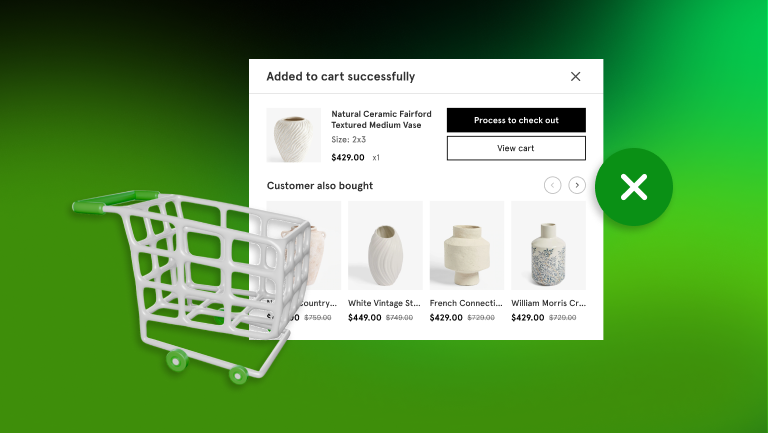
Table of content
Product recommendations are a key driver of engagement and sales in modern e-commerce. When done right, they help users discover relevant products quickly and turn casual browsing into meaningful purchases. But visibility alone doesn’t guarantee success. After tracking performance across multiple e-commerce sites, we found that recommendation blocks were often present everywhere, yet conversion rates remained flat. Even widely displayed suggestions failed to convert, not because users didn’t see them, but because of two recurring issues we observed: poor timing (such as showing cross-sells too early), and lack of personalization (irrelevant suggestions not aligned with user intent).
Industry data confirms the value of personalization. According to McKinsey & Company, product recommendations contribute up to 35% of Amazon’s total revenue. Broader research shows that personalized suggestions can lift conversion rates by 15% to 30%, and when implemented effectively, recommended products account for 12% to 31% of online revenue. Still, not all systems achieve these outcomes. In this article, we’ll explore five common signs that your recommendations aren’t working, and what you can do to fix them.
I. Five Signs Your Product Recommendations Aren’t Working
Before diving into performance fixes, it’s important to first recognize the symptoms of underperforming product recommendations. Even if your system is set up correctly on a technical level, there are subtle and not-so-subtle signs that it may be missing the mark. From flat conversion rates to user disengagement, here are five of the most telling indicators that your recommendation strategy needs a closer look.
1. Low Conversion Rates Despite High Visibility
When your product recommendations are prominently displayed throughout the site but generate little to no interaction, it’s a clear sign that they’re not resonating with users. This often stems from a disconnect between what’s being recommended and what users are actually looking for in that moment.

In many cases, recommendations rely on generic rules, like bestsellers or most viewed items, instead of adapting to individual behavior. As a result, users see suggestions may feel mistimed or out of sync with the user’s purchase readiness. Timing also plays a role. Showing cross-sells too early in the journey or before a user has committed to a primary item can make them easy to ignore. In our optimization projects, we’ve seen CTRs improve by up to 40% just by tweaking image size or changing recommendation labels from generic to action-driven ones like “Just Dropped” or “Trending in Your Area”.
Other contributing factors may include bland visuals, lack of clear product information, or weak calls to action. Even if the system is technically functioning, it’s failing to engage, and without engagement, conversion simply won’t follow.
In practice, we have seen cases where recommendation modules were placed on nearly every page, yet contributed less than a few percent of total conversions. When we reviewed user behavior more closely, it became clear that the issue was not placement, but relevance and timing.
2. Low Click‑Through Rates (CTR) on Recommended Items
Click-through rate (CTR) is one of the most immediate signals of how compelling your product recommendations are. While impressions tell you how often your recommendations are shown, CTR reveals whether users are actually interested enough to interact with them. A low CTR typically indicates that users notice the recommendation modules but don’t find them engaging or relevant enough to click.

When reviewing CTR data across several recommendation placements, we noticed that even small changes in product imagery or headline clarity could significantly affect engagement. In some cases, recommendations with strong relevance still underperformed simply because users did not immediately understand why those products were shown.
This often points to issues in either content quality or presentation. Users may skim past the suggestions without a second thought, especially if they feel disconnected from the shopping experience or overwhelmed by irrelevant choices. In many cases, the recommendation system might surface items that are technically related but lack contextual relevance to what the user is actively exploring.
Low CTR can happen when:
- The placement of recommendations doesn’t catch the eye.
- The visuals or headlines aren’t attractive or clear.
- The recommendations don’t match what users are looking for in that moment.
When CTR remains low across different touchpoints like product pages, homepages, shopping cart, or email campaigns, it’s a strong indicator that your recommendations aren’t aligned with user intent. The problem may not be the products themselves but how they’re chosen, framed, and delivered during the customer journey.
3. Negative User Feedback or Complete Ignoring of Recommendations
Not every performance issue can be seen through analytics dashboards; some of the most valuable signals come directly from how users respond during their experience. Negative feedback, whether explicit or behavioral, often reflects a deeper disconnect between what your recommendation engine delivers and what users actually find helpful.

In many cases, this feedback doesn’t require in-depth analysis. It’s surfaced naturally through support channels, customer comments, or visible browsing patterns. When users consistently report that the recommendations feel off-target, generic, or simply unhelpful, it’s a clear sign that the system is not adding value to their journey.
This type of feedback may come from:
- User surveys or quick rating forms.
- Live chat comments where customers say recommendations aren’t useful.
- Repeated ignoring of the recommendation sections during browsing.
Even if the system is technically functioning, these qualitative insights suggest a loss of trust or relevance. Over time, users may begin to tune out the recommendation areas entirely, further reducing the opportunity to drive engagement or conversion.
4. Shopping Cart Metrics Don’t Improve
A well-designed recommendation system should do more than just suggest similar products; it should actively support upselling and cross-selling by encouraging users to discover additional items that align with their interests. One of the clearest indicators of success in this area is an increase in cart activity tied to recommended products. When that doesn’t happen, it raises concerns about how persuasive or relevant your recommendations really are.

If you’ve implemented recommendation features but the associated cart metrics remain stagnant, or in some cases decline, the system may be failing to spark additional purchase intent. Users might view the suggestions but feel they’re unnecessary, repetitive, or disconnected from the main items they’re considering.
This becomes especially evident when:
- The rate at which recommended items are added to carts does not increase.
- Or even worse, decreases.
These outcomes often suggest that the recommendations lack contextual value. Rather than reinforcing the shopper’s interest or introducing complementary options, the suggestions may feel forced or irrelevant. This can disrupt the shopping flow instead of enhancing it, ultimately reducing the effectiveness of your conversion funnel.
For example, one of our clients had a high-performing homepage but poor cart-level engagement. After analyzing behavior, we realized users were being shown accessories before selecting the main item, which felt premature and disrupted the journey.
In our own optimization work, we have encountered situations where recommendations increased page views but had no measurable impact on add-to-cart rates. This usually indicated that the suggested products were not perceived as complementary, even though they were technically related.
5. Average Time on Page or Session Duration Decreases

Session duration and average time on page are often seen as indirect metrics, but they carry real weight when evaluating how users engage with your content, including your product recommendations. A noticeable drop in these metrics after deploying or modifying a recommendation module could signal that something within the experience is misaligned.
If users begin spending less time on your site or specific pages that feature recommendations, it may suggest that the content being surfaced is not relevant, not useful, or even disruptive to their browsing flow. Instead of encouraging deeper exploration, the recommendations may create friction or decision fatigue, pushing users to exit earlier than they otherwise would.
This effect becomes more critical when you consider its broader implications. Lower engagement time is not just a missed sales opportunity; it can also hurt your organic visibility. Search engines like Google factor user behavior signals into their ranking algorithms, and shorter sessions may be interpreted as an indicator that the page did not meet the visitor’s expectations or intent. In this case, the problem isn’t just poor performance; it’s compounded by long-term visibility risks.
II. Common Causes of Ineffective Product Recommendations
Understanding why recommendations fail is the first step toward fixing them. Here are the most frequent root causes, explained clearly with examples.
1. Incomplete or Poor‑Quality User Data

A recommendation engine is only as effective as the quality of data it relies on. It needs accurate and well-structured user behavior data, such as product views, clicks, time spent on pages, and purchase history, in order to generate meaningful suggestions. When this data is incomplete, inconsistent, or inaccurate, the system struggles to identify user preferences correctly and may generate recommendations that feel irrelevant or out of context.
This issue is especially common with new visitors who have no browsing or purchase history. In these cases, the system may default to generalized suggestions based on overall site trends or other users’ behavior. However, such recommendations often feel generic and fail to capture the user’s intent in the moment.
Poor-quality data can also result from technical issues like tracking errors, session mismatches, or improper data tagging. When the input fed into the recommendation engine is flawed, the output naturally suffers. The result is a disconnect between the suggestions shown and what users are actually interested in, which often leads to reduced engagement and lower conversion rates.
2. Outdated or Unsophisticated Recommendation Algorithms
Not all recommendation engines operate with the same level of intelligence. Older or overly simplistic systems often rely on basic logic, such as pushing best-selling products or high-margin items, regardless of the user’s current context or intent. While these recommendations may have general appeal, they lack the depth and adaptability required to deliver personalized experiences.

An outdated or underperforming algorithm typically fails to respond dynamically to user behavior. Instead of tailoring results based on real-time browsing or previous interactions, it continues to offer static suggestions that feel repetitive or misaligned with the user’s journey.
If your algorithm:
- Doesn’t update in real time
- Doesn’t learn from user actions
- Doesn’t filter out irrelevant items
Then the recommendations it produces will gradually lose relevance. Users may see the same products multiple times across different sessions or be shown items they have already purchased or clearly ignored. This not only reduces engagement but can also erode trust in the recommendation system as a whole, making users less likely to interact with it in the future.
For example, a 2021 report from Salesforce found that 75% of consumers expect brands to use AI to personalize their experience, yet many brands still rely on static rules. This disconnect limits recommendation impact.
3. Lack of User Segmentation
User segmentation is essential for any recommendation strategy that aims to be genuinely personalized. Different types of users visit your site with different goals, levels of familiarity, and stages in the buying journey. A one-size-fits-all approach treats all users the same, ignoring the nuances in behavior and intent that could otherwise be leveraged to deliver far more effective suggestions.

When a recommendation engine does not account for user segments, it often relies on generic logic that may feel irrelevant to most visitors. Instead of tailoring suggestions to each user’s context, it delivers the same product lists regardless of how the user interacts with the site.
For example:
- A first-time visitor might need recommendations to build trust, such as popular or well-reviewed items.
- A returning shopper might want products related to past purchases.
- A user with items in their cart might be ready for cross-sells or upsells.
If your system fails to distinguish between these types of users, it risks offering recommendations that feel disconnected or redundant. Over time, this leads to reduced engagement and missed opportunities to guide users toward conversion with content that actually speaks to their current intent.
4. Recommendations Not Updated in Real Time

The pace of change in e-commerce is rapid. Customer preferences, product availability, seasonal trends, and marketing campaigns can shift significantly within days, sometimes even hours. If your recommendation engine is not designed to update in real time or near-real time, it risks falling behind these changes and delivering outdated content that no longer matches user expectations.
A recommendation that made sense yesterday may feel irrelevant today if the product is no longer trending, is out of stock, or has been replaced by a newer version. Without regular data refresh cycles, the system continues to suggest items based on stale behavior or old inventory, which can lead to user frustration or disinterest.
This issue becomes especially noticeable during peak shopping periods, product launches, or sales campaigns, where user behavior shifts dramatically in a short time. If your system cannot adapt quickly enough, it loses its competitive edge and fails to support users in discovering the most relevant, timely products.
5. Poor Visual or Contextual Presentation
No matter how accurate or personalized your product recommendations are, they will fall flat if the way they are displayed does not catch the user’s attention or support easy decision-making. Visual presentation and contextual relevance play a crucial role in whether users engage with the suggestions or ignore them entirely.
Common presentation issues include:
- Too many recommended products are shown at once, causing choice overload.
- A placement that users don’t scroll to or notice.
- Lack of high-quality images or clear calls-to-action.
When users are overwhelmed with too many options or when the recommendation block blends into the page without a visual hierarchy, the chances of interaction drop significantly. Similarly, if recommendations appear in locations that are peripheral to the user’s focus, such as below the fold or in a sidebar that rarely gets attention, they are unlikely to generate clicks or conversions.
In addition, weak product imagery, missing prices, or unclear buttons like “Add to Cart” or “View More” further diminish the usability of the recommendation module. For recommendations to be effective, they must not only be relevant to the user but also clearly visible, visually appealing, and easy to act upon.
III. How to Fix and Optimize Your Product Recommendations
1. Improve and Cleanse User Data

High-quality product recommendations begin with high-quality data. Without reliable insights into user behavior, even the most advanced recommendation algorithms will produce results that feel off-target or generic. Building a system that consistently delivers relevant suggestions requires a solid foundation of clean, complete, and up-to-date user data.
To ensure your data is working for you, focus on the following:
- Tracking user interactions thoroughly. This includes product views, clicks, time spent on page, add-to-cart actions, and purchase history.
- Removing incorrect or corrupted data. Incomplete sessions, duplicated entries, or tracking glitches can distort user behavior and confuse your system.
- Keeping historical behavior properly linked to user profiles. Whether users are logged in or returning anonymously, maintaining a coherent view of their activity across sessions helps generate more accurate predictions.
When your data infrastructure is well-maintained, your recommendation engine has the inputs it needs to deliver results that align with real user interests and intent.
2. Use Advanced Algorithms and Update Regularly

In today’s fast-moving ecommerce environment, relying solely on static or rule-based recommendation logic is no longer sufficient. Customer behavior evolves rapidly, and expectations for personalized experiences are higher than ever. To remain competitive and relevant, your recommendation engine needs to be both intelligent and adaptable.
We’ve migrated clients from simple rule-based systems to AI-driven engines, and within weeks, saw improved conversion and longer average sessions. What made the biggest difference was enabling real-time updates based on in-session behavior.
Instead of fixed rules or one-size-fits-all logic, consider implementing more sophisticated technologies, such as:
- Machine learning or AI-powered recommendation engines. These systems can analyze large volumes of user behavior data and uncover patterns that would be impossible to identify manually.
- Real-time data processing. This allows your system to adjust suggestions instantly based on current browsing activity, cart contents, or search behavior.
- Algorithms that adapt based on recent user behavior. Rather than relying solely on historical data, these models give more weight to a user’s latest actions to surface more timely and context-aware suggestions.
By updating your algorithms regularly and incorporating the latest data inputs, you can ensure that your recommendations remain dynamic, personalized, and aligned with what users are actually interested in right now.
3. Personalize Based on User Segment
Effective personalization is not just about showing relevant products – it’s about recognizing who the user is, where they are in the customer journey, and what their intent might be. Treating every visitor the same limits the effectiveness of your recommendation strategy and often results in generic suggestions that fail to drive engagement.

To increase relevance, tailor your recommendations according to distinct user behavior patterns:
- Show popular, trusted items to first-time visitors. These users are still building confidence and familiarity, so recognizable, well-reviewed products can encourage exploration.
- Suggest complementary items for customers building a cart. Once a user has added an item, timely cross-sell or upsell suggestions help increase order value without disrupting their flow.
- Highlight related products based on a user’s browsing or purchase history. Returning users are more likely to respond to personalized content that reflects their past interactions or interests.
Segmenting users in this way allows you to deliver recommendations that feel intentional and customer-focused. It creates a more intuitive shopping experience and increases the likelihood of conversion by meeting users with the right message at the right moment.
4. Run A/B Tests Frequently
Optimization is not a one-time task. What works for one audience segment or during one campaign may not perform as well in another context. That’s why A/B testing is a critical part of refining your product recommendation strategy. It allows you to compare different versions of your recommendation modules in controlled experiments, so you can understand what actually resonates with your users.

In our testing experience, A/B experiments often revealed unexpected insights. For example, a recommendation block placed lower on the page sometimes outperformed a more prominent position, simply because users encountered it after forming clearer purchase intent.
To uncover meaningful insights, test variables such as:
- Placement locations. Experiment with showing recommendations on homepages, product detail pages, in-cart, or post-checkout to see where users are most likely to engage.
- Recommendation formats. Compare horizontal carousels versus vertical lists, or test different visual styles and layouts.
- Groupings of products based on category or intent. For example, test whether users respond better to “Frequently Bought Together” versus “Similar Items” or “Customers Also Viewed.”
By running these tests regularly, you can make data-informed decisions that improve performance over time. A/B testing transforms guesswork into strategy and ensures your recommendation experience continues to evolve with user expectations.
5. Monitor Key Performance Indicators (KPIs) Consistently
No recommendation strategy is complete without a framework for measuring success. Monitoring performance through clear, actionable metrics ensures that your system is not only functioning but also delivering measurable value. Without consistent tracking, issues can go unnoticed, and opportunities for improvement may be missed.
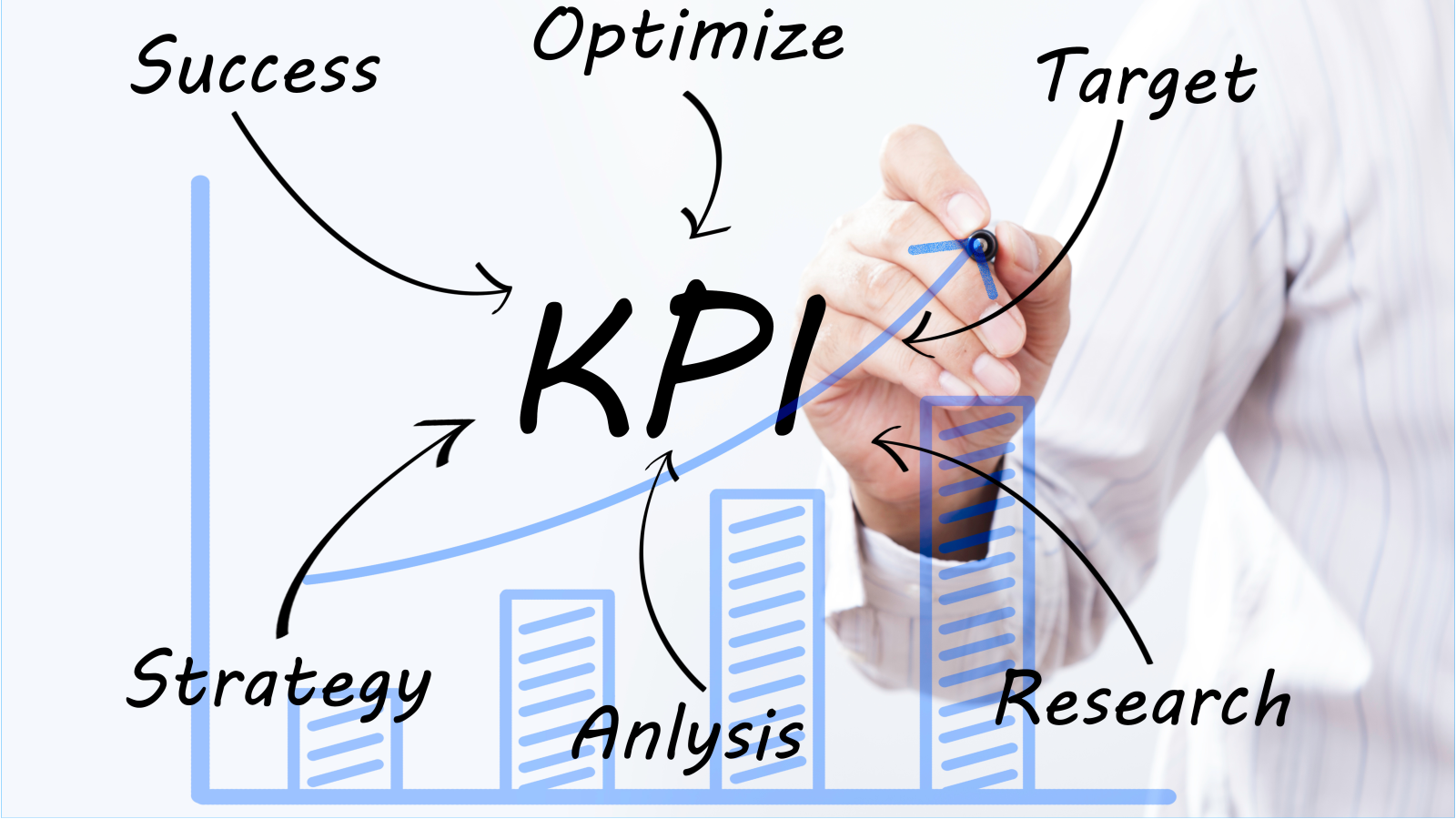
To properly evaluate the effectiveness of your recommendations, make sure to track core KPIs such as:
- Click-through rate (CTR) of recommended items. This reflects how attractive and relevant your suggestions appear to users.
- Add-to-cart rate from recommendations. A higher rate suggests your recommendations are driving real purchase intent.
- Conversion rate tied to recommended products. This measures how well your system turns suggestions into completed transactions.
- Revenue generated from recommendations. This is a key indicator of the overall financial impact of your recommendation engine.
By reviewing these KPIs regularly, you gain visibility into how each part of your recommendation strategy is performing. More importantly, you can detect early signs of decline or inefficiency and make timely adjustments that keep your system aligned with user behavior and business goals. In our recent projects, we observed CTR increases of 15-25% after adjusting placement and imagery, although results vary by industry.
IV. Afterthought
Product recommendations are often seen as a technical add-on, but in reality, they shape a large part of how users interact with your site and make purchasing decisions. When done well, they quietly guide the customer journey, surface relevant products at the right time, and increase both satisfaction and revenue. When ignored or poorly maintained, they can just as easily confuse, overwhelm, or push users away.
Instead of viewing recommendations as a set-it-and-forget-it feature, treat them as a living part of your e-commerce experience. They should evolve with your audience, reflect changes in buying behavior, and respond to shifting market dynamics. The more intentional you are in monitoring and improving them, the more value they’ll return, not just in metrics, but in meaningful user engagement.
V. FAQs
1. How do I know if my product recommendations are underperforming?
Users often seek clear signs or metrics to help them recognize when their recommendation system isn’t working effectively.
2. Why are users not clicking on my recommended products?
This question reflects a direct concern about low engagement and is usually one of the first performance issues store owners notice.
3. Can irrelevant recommendations hurt my store’s performance?
Many users worry about the negative impact of poor recommendations on conversions, bounce rates, and customer trust.


Join in our newsletter
Need more detail?
Access our Help Center & Resources to learn how Zotasell works, explore use cases, and share with your team.
SMARTER UPSELLING STARTS HERE